

Unlocking the Secret: Discover the Magic Behind Time Clocks and Their Varied Types!
In the fast-paced world of work, keeping track of time is essential not only for employees but also for businesses aiming to boost productivity and efficiency. Enter the time clock—a device that has played a pivotal role in workforce management for decades. From its humble beginnings to the technology-driven solutions we see today, time clocks have evolved to meet the growing demands of the modern workplace. In this article, we will explore what time clocks are, how they operate, and the various types available to help organizations optimize their time-tracking processes.
Understanding Time Clocks
A time clock is a device used to record the hours worked by employees, ensuring that businesses can accurately track time for payroll, attendance, and productivity analysis. Historically, time clocks have played a crucial role in labor management, originating in the 19th century when companies began using mechanical devices to log worker hours. The importance of time clocks cannot be overstated; they provide a reliable method for businesses to manage labor costs while ensuring that employees are compensated fairly for their time. As a result, time clocks have become an integral part of workforce management systems across various industries.
In my own experience, I remember my first job at a local restaurant where we used a traditional punch card system. Each employee would physically punch their card into a machine at the beginning and end of their shifts. This simple yet effective method of tracking time laid the foundation for my understanding of time management in the workplace.
How Time Clocks Work
Time clocks function by recording the time an employee starts and ends their workday, often through various mechanical or digital means. The basic mechanics involve either a physical punch card that is stamped with a time or a digital entry made by the employee. The recorded data is then stored for processing, making it accessible for payroll and management purposes.
Modern time clocks utilize advanced technology, including analog and digital options. Analog time clocks typically involve a mechanical system where employees punch in and out, while digital time clocks offer a more sophisticated approach, often using touch screens and software integration. These digital systems can streamline the time-tracking process, allowing for easier data analysis and reporting. Additionally, many digital time clocks come equipped with features such as overtime tracking, leave management, and integration with payroll systems, which enhances their functionality and usefulness in today’s workplace.
Types of Time Clocks
Time clocks come in various forms, each with distinct features and benefits tailored to specific workplace needs. Understanding these types can help businesses choose the right solution for their operations.
Analog Time Clocks
Analog time clocks are the traditional time-tracking devices that use a physical punch card system. Employees insert their cards into the machine, which stamps the time onto the card. Despite being less common in modern workplaces, analog time clocks are still appreciated for their simplicity and reliability, particularly in smaller businesses where budgets may be a concern.
Digital Time Clocks
Digital time clocks have gained popularity due to their advanced features and ease of use. These systems typically allow employees to clock in and out using a keypad or touch screen, with the added ability to track additional details such as breaks and overtime. The data can be automatically synced with payroll software, reducing administrative tasks and minimizing the risk of errors.
Biometric Time Clocks
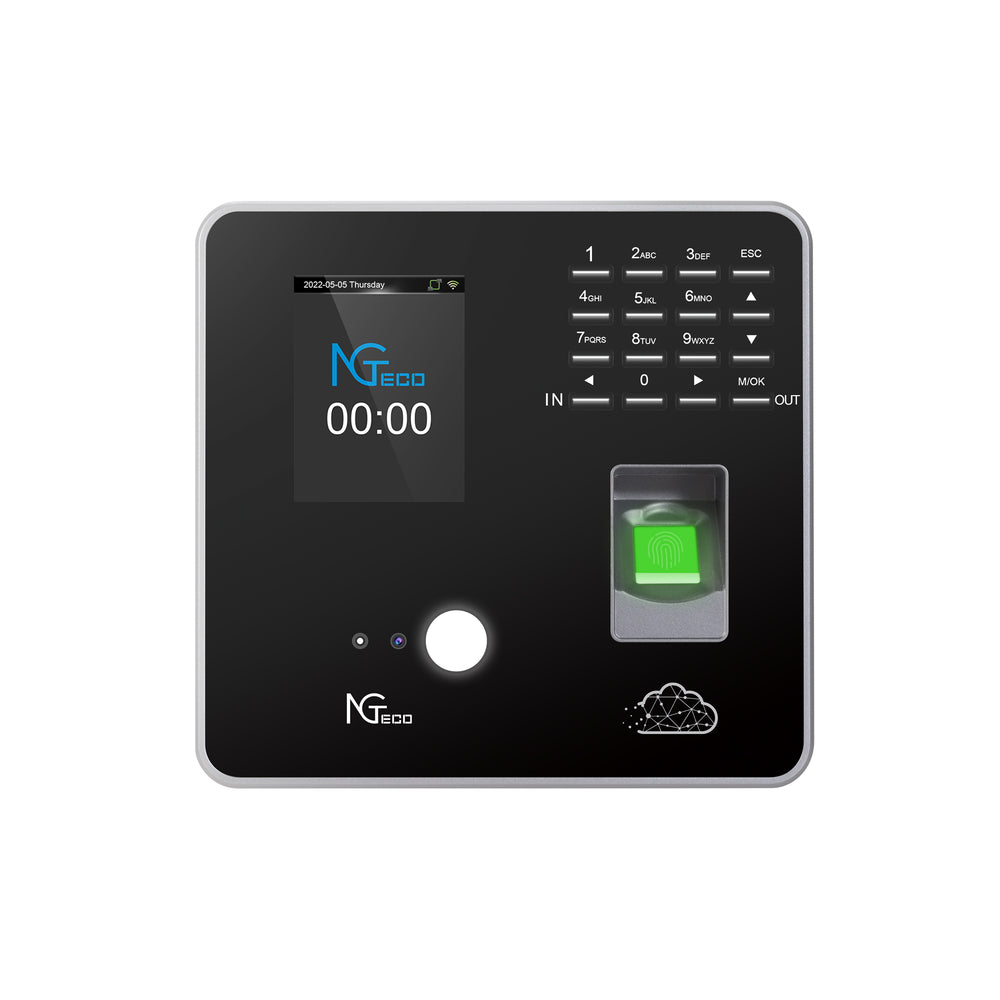
Biometric time clocks take security and accuracy to the next level by using unique biological traits, such as fingerprints or facial recognition, to identify employees. This technology eliminates the possibility of buddy punching, where one employee clocks in for another. Biometric clocks are particularly beneficial for businesses concerned about security and accuracy in time tracking.
Mobile Time Clocks
As remote work becomes increasingly common, mobile time clocks offer a flexible solution for businesses with employees working off-site. These applications allow workers to clock in and out from their smartphones, ensuring accurate time tracking regardless of location. Mobile time clocks often come with GPS features, enabling employers to verify that employees are on-site when they clock in.
Key Insights on Time Clocks
In summary, time clocks are indispensable tools for effectively managing employee hours and enhancing workplace productivity. We’ve explored their fundamental functions, the technology behind them, and the diverse types available, from traditional analog systems to modern biometric and mobile solutions. Choosing the right type of time clock is crucial for aligning with specific business needs, as each type offers unique benefits and features.
As organizations strive for improved efficiency and productivity, investing in an effective time-tracking system can significantly impact their operations. By understanding the various options available, businesses can ensure they select a time clock solution that not only meets their requirements but also empowers their workforce.