
Unlock the Secrets to Stunning Commercial Spaces with Perforated Aluminum Panels!
In the dynamic realm of commercial architecture, design elements that blend aesthetics with functionality are increasingly sought after. Enter perforated aluminum panels—an innovative solution that has captured the attention of architects, designers, and business owners alike. These panels, characterized by their distinctive patterns of holes, not only offer a visually striking appeal but also serve practical purposes, such as enhancing ventilation and light filtration. As commercial spaces evolve, the application of perforated aluminum panels is becoming a popular choice for those looking to create engaging environments that stand out. In this article, we will delve into the nuances of perforated aluminum panels, exploring their benefits, applications, and how to choose the right supplier for your project.
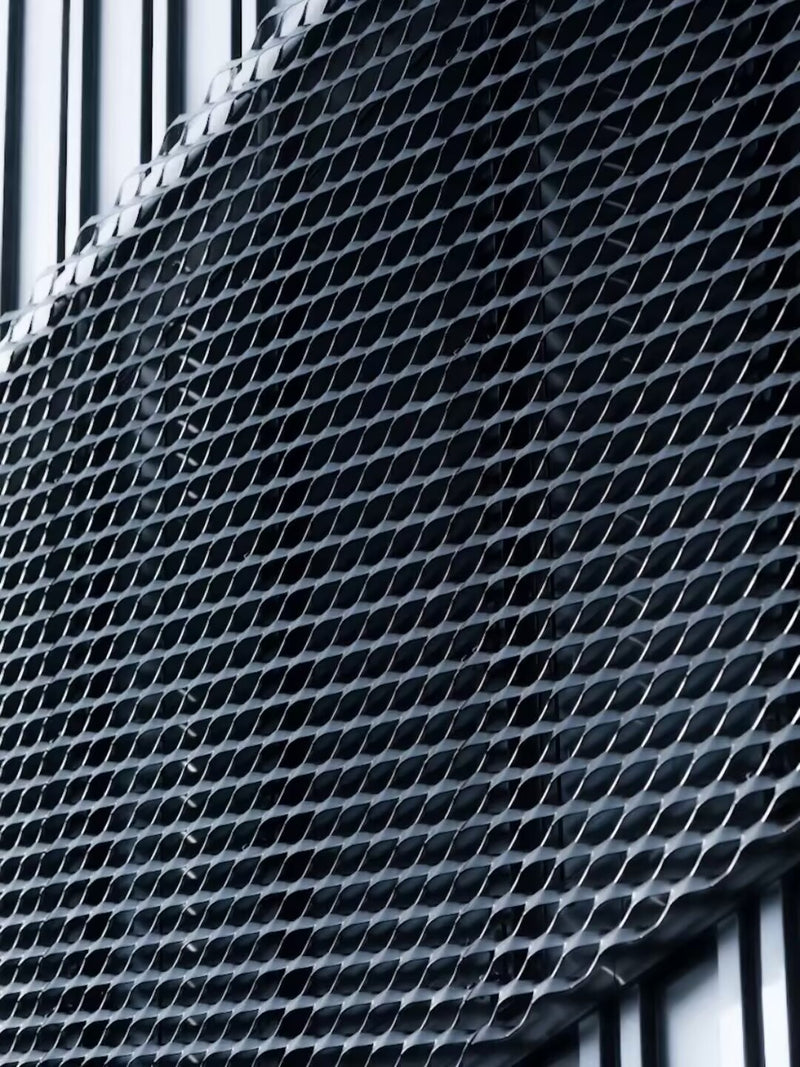
Understanding Perforated Aluminum Panels
Perforated aluminum panels are sheets of aluminum that have been treated with a series of holes or patterns, allowing for a variety of design and functional applications. The manufacturing process typically involves precise methods such as punching or laser cutting, which create various hole sizes, shapes, and arrangements. This versatility in perforation allows architects to customize the panels to fit specific design themes and requirements. Depending on the perforation style—be it circular, square, or more intricate shapes—the panels can influence not only the aesthetic of the building but also how light and air interact within the space. Furthermore, the degree of perforation can impact sound absorption, making these panels a smart choice for environments where noise control is essential.
Benefits of Using Perforated Aluminum Panels in Commercial Buildings
The advantages of incorporating perforated aluminum panels into commercial buildings are manifold. Firstly, their aesthetic appeal cannot be overstated; these panels can transform a mundane façade into a work of art, capturing the eye of passersby and creating a memorable impression. Additionally, aluminum is renowned for its durability and resistance to weathering, making it a practical choice for exterior applications. Its lightweight nature simplifies installation and reduces structural load, which can lead to cost savings in construction. Beyond aesthetics and practicality, perforated aluminum panels can contribute to energy efficiency in buildings. By allowing natural light to filter through while minimizing direct sun exposure, they help regulate indoor temperatures, thereby reducing reliance on artificial heating and cooling systems. This characteristic aligns well with the growing emphasis on sustainability in building design.
Applications of Perforated Aluminum Panels in Commercial Spaces
The versatility of perforated aluminum panels opens up a world of possibilities for their application in commercial settings. For instance, they can be used as stunning facades that not only protect the building but also create an eye-catching first impression. In interior design, these panels can serve as ceiling treatments or interior partitions, adding depth and character to otherwise plain spaces. They can even be employed in signage, helping businesses communicate their brand effectively while maintaining a cohesive design aesthetic. A friend of mine who owns a café recently renovated his space using these panels for his ceiling design, which significantly improved the ambiance, creating a unique visual experience for his customers. The options are virtually limitless, making perforated aluminum panels a favorite among designers and builders alike.
Choosing the Right Supplier for Perforated Aluminum Panels
Finding the right supplier for perforated aluminum panels is crucial to the success of your project. When evaluating potential suppliers, consider their reputation for quality and reliability. Look for companies that offer customizable options to ensure the panels meet your specific design and functional needs. Customer service is another critical factor; a supplier who is responsive and willing to answer your questions can make a significant difference in your purchasing experience. It’s wise to ask questions about the materials used, the manufacturing process, and lead times for delivery. Requesting samples can also provide insight into the quality and craftsmanship of the panels before making a larger commitment. By doing thorough research and asking the right questions, you can find a supplier that aligns with your project goals.
Maximizing the Impact of Perforated Aluminum Panels
In conclusion, perforated aluminum panels present a unique blend of aesthetic appeal and functional versatility that can enhance any commercial building. From their ability to create captivating facades to their applications in interior design, these panels offer a wealth of benefits that cater to the evolving needs of modern architecture. As businesses strive to create environments that are not only visually striking but also energy-efficient and sustainable, perforated aluminum panels should be at the forefront of their considerations. If you're planning a commercial project, consider the transformative potential of these panels—you might just unlock the key to a stunning, functional space.