

Unlock the Secret to Soothing Your Baby: Discover the Magic of Anti-Colic Bottles!
As any new parent can tell you, the joy of welcoming a newborn often comes hand-in-hand with sleepless nights and endless worry. One of the most distressing challenges many parents face is colic, a condition that causes excessive crying and discomfort in infants. This phenomenon can leave both babies and parents feeling overwhelmed and exhausted. Finding effective solutions to alleviate these symptoms is crucial for maintaining peace in the household. Enter anti-colic bottles—a potential game changer in the world of infant feeding. These specially designed bottles aim to minimize the discomfort associated with colic, providing a smoother feeding experience for both baby and parent. In this article, we will delve deeper into the features and benefits of anti-colic bottles, helping you understand how they can make a significant difference in managing colic symptoms.
Understanding Colic in Infants
Colic is typically defined as excessive crying in a healthy infant, often occurring for more than three hours a day, three days a week, for three weeks or longer. The symptoms can include crying that seems to occur without reason, a baby who is hard to soothe, and episodes of irritability that often happen in the late afternoon or evening. While the exact causes of colic remain somewhat of a mystery, it’s believed to be related to a combination of factors such as digestive issues, temperament, and even environmental influences. Statistics indicate that colic affects about 15-25% of infants, making it a common concern for many families. Understanding colic is the first step to finding solutions that can ease the discomfort for both baby and parent.
What are Anti-Colic Bottles?
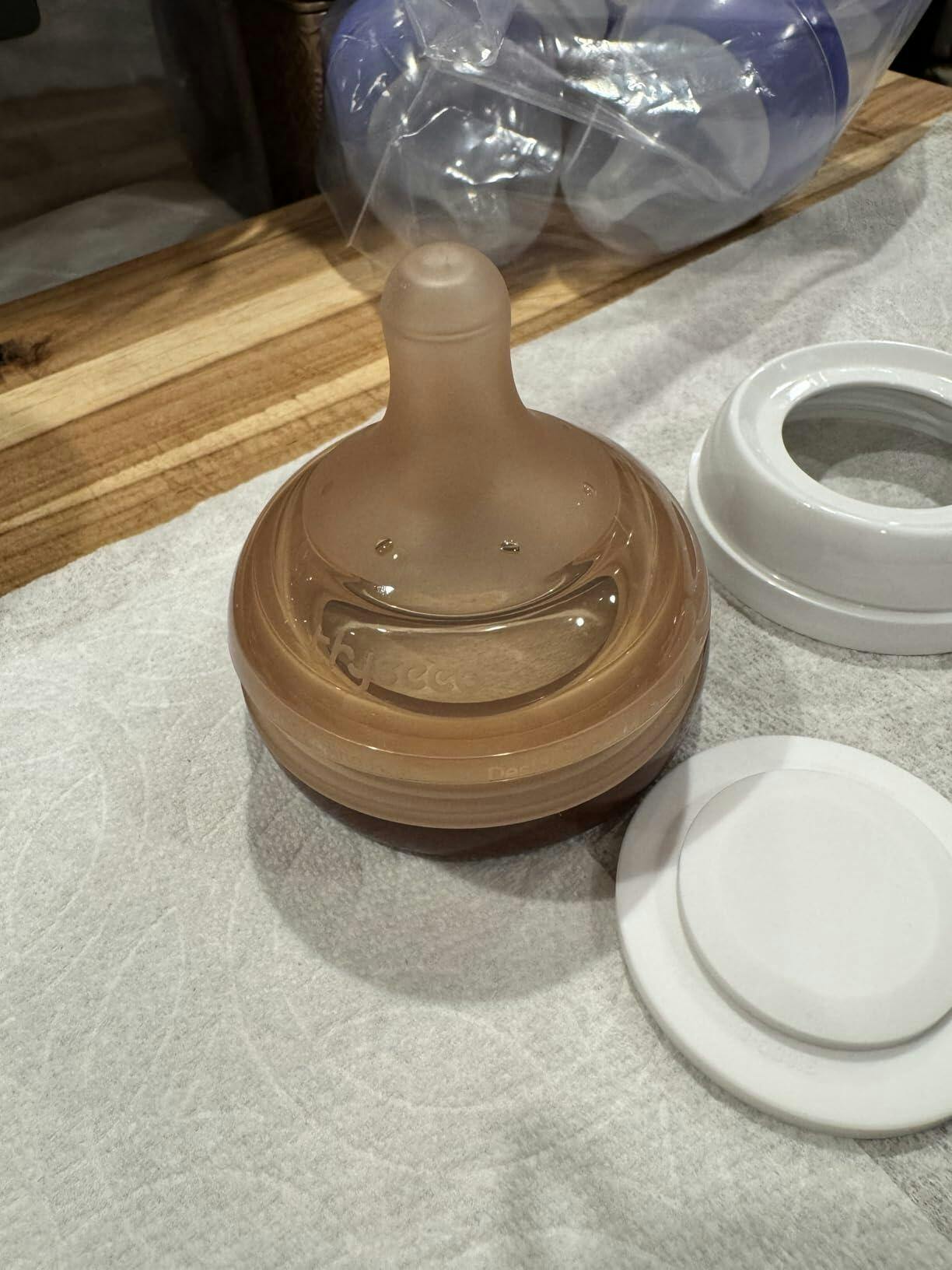
Anti-colic bottles are designed specifically to address the symptoms of colic by incorporating unique features that set them apart from traditional baby bottles. One of the key components is the valve system or venting technology that helps reduce the amount of air that babies swallow during feeding. This air ingestion is a significant contributor to gas and discomfort, which can exacerbate colic symptoms. Many anti-colic bottles also have a wider base and a softer nipple, allowing for a more natural feeding experience that mimics breastfeeding. The design often includes a non-leaky valve that ensures smooth milk flow, helping to minimize fussiness during and after feeds. By understanding the functionality of these bottles, parents can appreciate how they play a crucial role in reducing colic-related discomfort.
Benefits of Using Anti-Colic Bottles
The benefits of using anti-colic bottles extend beyond just reducing gas and discomfort for infants. First and foremost, these bottles can promote better feeding habits, encouraging babies to feed at their own pace without the frustration of interrupted flow. This can lead to a more relaxed feeding experience, making mealtime less stressful for both baby and parent. Additionally, many parents report that their infants seem more content and fussy less frequently after switching to anti-colic bottles. This can be a significant relief, especially for parents who have been struggling with colicky behaviors. Furthermore, anti-colic bottles can help ease the transition from breastfeeding to bottle feeding, as they often mimic the natural feeding rhythm. Overall, the use of anti-colic bottles can significantly enhance the feeding experience and contribute to a happier, less fussy baby.
How to Choose the Right Anti-Colic Bottle
Selecting the right anti-colic bottle can feel overwhelming given the multitude of options available. Parents should consider several factors when making their choice. First, the material of the bottle is important; options typically include plastic, glass, and silicone. Each material has its pros and cons, such as weight, durability, and ease of cleaning. Next, the nipple flow rate is crucial, as it should match the baby's developmental stage and feeding preferences. A slow flow is often recommended for newborns, while older babies may require a faster flow. Additionally, ease of cleaning is a key consideration; bottles with fewer parts are generally easier to assemble and sanitize. Lastly, parents should pay attention to their baby's age and feeding habits to ensure that the bottle they choose meets their specific needs.
Tips for Using Anti-Colic Bottles Effectively
Additionally, it’s essential to hold the bottle at an angle that allows the baby to feed without swallowing air. This means starting with the bottle full of milk, as opposed to being held at an angle that allows air bubbles to build up. A few tips to consider include observing your baby's cues for hunger and fullness, as this can help create a more enjoyable feeding experience. Lastly, whether switching from breastfeeding or transitioning to bottle feeding, these tips can help maximize the benefits of anti-colic bottles and minimize gas buildup during feeding.
Empowering Parents with Knowledge on Anti-Colic Solutions
In summary, the journey through colic can be a challenging one for both infants and their parents. Understanding colic, the innovative design of anti-colic bottles, and their numerous benefits can empower parents to make informed choices about feeding. Anti-colic bottles can serve as a valuable tool in alleviating discomfort, promoting better feeding habits, and ultimately leading to a happier baby. If colic has been a source of stress in your household, consider incorporating anti-colic bottles into your feeding strategy. With the right approach, feeding time can become a more peaceful and enjoyable experience for everyone involved.