
How Air Disinfection Machines Support Allergy and Asthma Relief
For millions of people worldwide, allergies and asthma are daily challenges that significantly impact quality of life. Sneezing, coughing, wheezing, and even severe respiratory distress are common symptoms that make ordinary tasks exhausting. While medications and lifestyle adjustments can help manage these conditions, many people overlook the importance of maintaining clean, purified air at home and in workspaces. This is where the Air Disinfection Machine comes into play, offering a powerful ally in the fight against allergens, pollutants, and respiratory irritants.
In this article, we’ll explore how Air Disinfection Machines support allergy and asthma relief, the technology behind them, and practical considerations for choosing the right machine for your home or office.
Understanding Allergies and Asthma
Before diving into the benefits of an Air Disinfection Machine, it’s essential to understand the nature of allergies and asthma.
Allergies occur when the immune system reacts to a foreign substance—like pollen, pet dander, dust mites, or mold—as if it were harmful. Common symptoms include:
Sneezing
Runny or blocked nose
Itchy eyes, nose, or throat
Skin rashes
Asthma, on the other hand, is a chronic respiratory condition in which the airways become inflamed and narrow, making it difficult to breathe. Symptoms include:
Shortness of breath
Wheezing
Chest tightness
Frequent coughing, especially at night or during exercise
Both conditions can be triggered or worsened by airborne irritants. Dust, pollen, mold spores, pet dander, and even some bacteria and viruses in the air can provoke allergic reactions or asthma attacks. Reducing exposure to these triggers is critical, which is why controlling indoor air quality is so important.
How Air Disinfection Machines Work
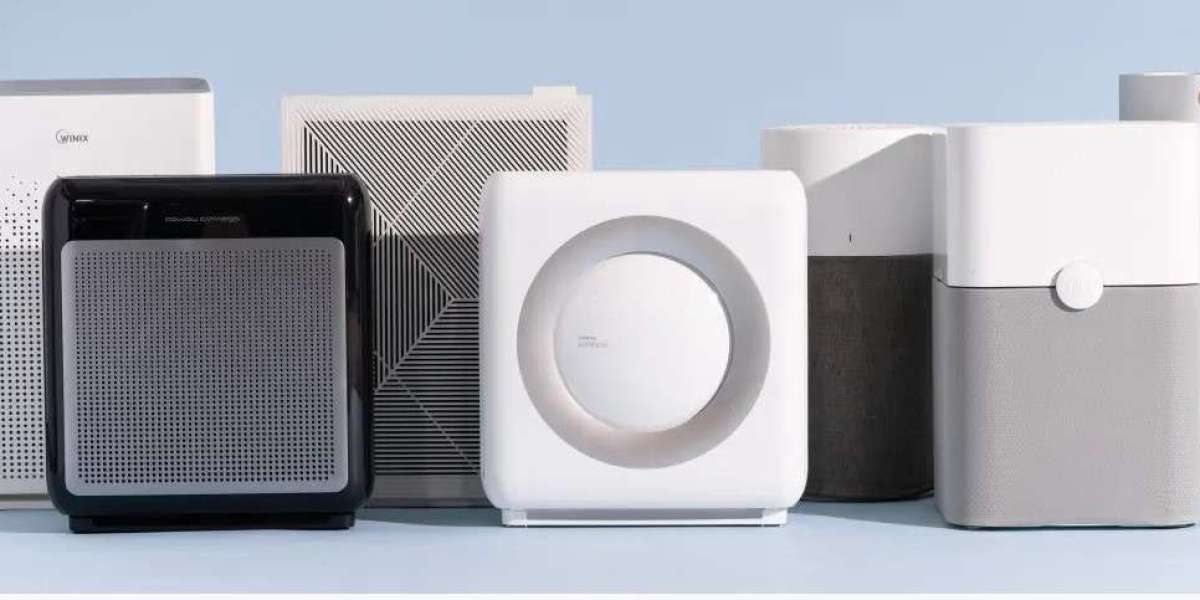
An Air Disinfection Machine is designed to purify the air by removing harmful particles, microorganisms, and pollutants. These machines use several advanced technologies that contribute to cleaner air and healthier breathing environments:
HEPA Filtration
High-Efficiency Particulate Air (HEPA) filters trap microscopic particles like dust, pollen, mold spores, and pet dander. HEPA filters are highly effective, capturing particles as small as 0.3 microns, which are often the most problematic for allergy and asthma sufferers.UV-C Light Disinfection
Some Air Disinfection Machines use ultraviolet (UV-C) light to kill or deactivate bacteria, viruses, and mold spores. UV-C light targets the DNA or RNA of microorganisms, preventing them from replicating and spreading in the air.Activated Carbon Filters
Activated carbon filters absorb harmful gases, odors, and volatile organic compounds (VOCs) that can irritate the respiratory system. This is especially beneficial for asthma patients sensitive to chemical pollutants from cleaning products, paints, or smoke.Ionization Technology
Certain machines release negative ions that attach to airborne particles, making them heavier and causing them to settle out of the air. This helps reduce dust, pollen, and other allergens floating in the indoor environment.Automated Air Quality Sensors
Many modern machines come equipped with sensors that detect particulate levels, humidity, and air contaminants. This allows the Air Disinfection Machine to adjust its purification settings automatically for optimal performance.
Benefits of Air Disinfection Machines for Allergy Relief
Using an Air Disinfection Machine can significantly improve indoor air quality, leading to reduced allergy symptoms and a more comfortable living environment. Here’s how:
1. Reducing Allergen Exposure
Allergens like dust mites, pollen, pet dander, and mold spores are commonly present in homes and workplaces. By filtering these particles from the air, an Air Disinfection Machine minimizes contact with triggers, reducing sneezing, itchy eyes, and nasal congestion.
2. Preventing Mold Growth
Mold is a common indoor allergen that can thrive in damp areas like bathrooms and basements. Many Air Disinfection Machines use UV-C light or antibacterial filters to eliminate mold spores, preventing growth and subsequent allergic reactions.
3. Eliminating Odors and Chemical Irritants
Chemical irritants from household products, paints, or even cooking fumes can aggravate allergies. Activated carbon filters in an Air Disinfection Machine capture these pollutants, improving air quality and reducing respiratory discomfort.
4. Maintaining Consistent Indoor Air Quality
Unlike simple ventilation, which may only partially remove pollutants, an Air Disinfection Machine continuously cleans the air, providing a steady reduction of allergens throughout the day and night. This consistency is particularly helpful for allergy sufferers who experience symptoms even while indoors.
Benefits for Asthma Management
Asthma sufferers are highly sensitive to airborne particles that can trigger attacks. By creating cleaner air, Air Disinfection Machines provide the following advantages:
1. Reducing Triggers That Cause Asthma Attacks
Dust, pollen, mold spores, and pet dander are all common asthma triggers. Removing these particles from the air reduces the likelihood of airway inflammation and asthma flare-ups.
2. Minimizing Respiratory Irritation
Pollutants like VOCs, smoke, and bacteria can irritate the respiratory tract and worsen asthma symptoms. Machines equipped with carbon filters or UV-C disinfection can neutralize these irritants, making breathing easier.
3. Supporting Medication Effectiveness
Cleaner air means that inhalers and other asthma medications can work more effectively. When triggers are minimized, patients may experience fewer attacks and improved overall lung function.
4. Enhancing Sleep Quality
Asthma symptoms often worsen at night due to poor indoor air quality or allergens in bedding and carpets. An Air Disinfection Machine running overnight can help maintain clean air, reduce nighttime attacks, and promote restful sleep.
Choosing the Right Air Disinfection Machine
Not all air purifiers are created equal. When selecting an Air Disinfection Machine for allergy and asthma relief, consider the following:
1. Room Size and Coverage
Machines are designed for specific room sizes. Ensure the unit you choose can handle the square footage of your bedroom, living room, or office.
2. Filtration Technology
Look for a machine that combines HEPA filtration with UV-C light or activated carbon for comprehensive air purification. Multi-stage filtration ensures that both particles and microorganisms are removed.
3. Noise Level
Some machines can be noisy, which may disturb sleep or work. Check the decibel rating and consider units designed for quiet operation, especially for bedrooms.
4. Maintenance Requirements
Filters and UV bulbs need regular replacement to maintain effectiveness. Consider the cost and ease of maintenance before purchasing.
5. Energy Efficiency
Continuous air purification can increase energy usage. Energy-efficient models save on electricity without compromising performance.
Practical Tips for Maximizing Allergy and Asthma Relief
Owning an Air Disinfection Machine is just one part of a holistic approach to managing allergies and asthma. Complementary strategies include:
Regular Cleaning: Vacuum with a HEPA-filtered vacuum cleaner and dust surfaces frequently to reduce allergens.
Humidity Control: Keep indoor humidity between 30–50% to prevent mold and dust mite growth.
Pet Care: Regularly bathe and groom pets, and keep them out of bedrooms if possible.
Bedding Hygiene: Wash sheets, pillowcases, and blankets in hot water weekly.
Avoid Smoking Indoors: Smoke particles are a major asthma trigger and reduce the effectiveness of air purification.
Combining these habits with the consistent use of an Air Disinfection Machine can drastically improve air quality and minimize respiratory issues.
Conclusion
Allergies and asthma are challenging conditions that demand proactive management. While medications and lifestyle adjustments are vital, maintaining clean air is equally important. An Air Disinfection Machine offers a reliable, efficient, and often life-changing solution by reducing airborne allergens, bacteria, viruses, and chemical irritants.