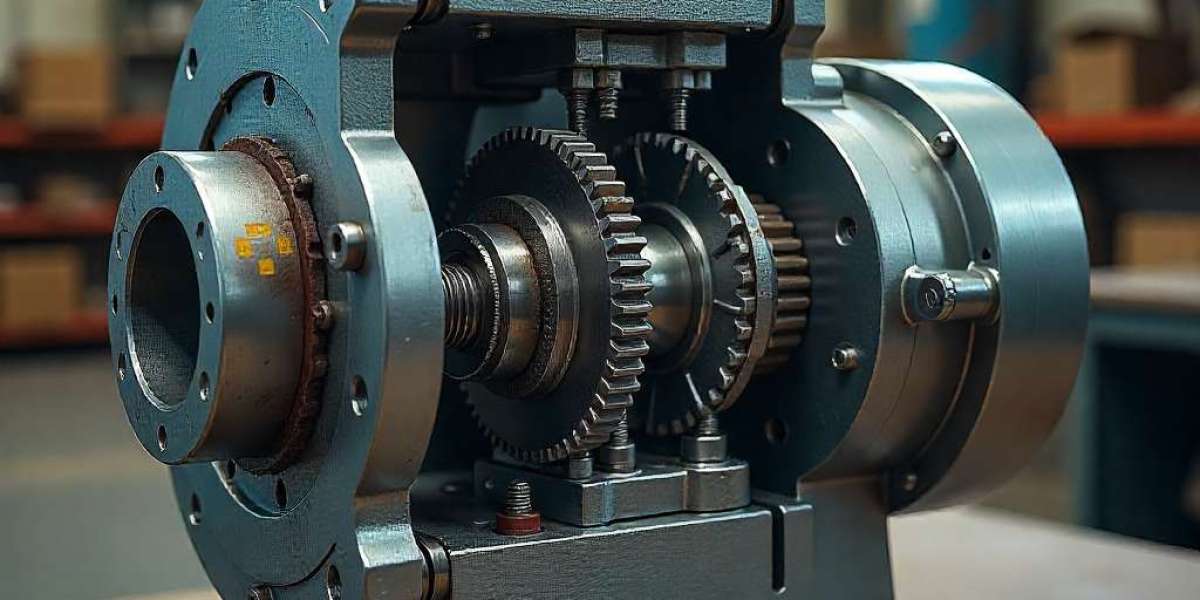

Every hydraulic system, regardless of size or complexity, relies on a few essential components working together seamlessly. Among the most critical are the hydraulic motor pump, the hydraulic flow control valve, and the hydraulic cylinder piston. Each plays a distinct role, yet their interaction determines how smoothly, efficiently, and reliably the system performs.
At the center of hydraulic motion is the hydraulic motor pump. This component converts mechanical energy into hydraulic energy, generating the flow that powers the system. In many applications, the pump must supply consistent pressure while responding to changing load demands. Whether driving a motor, extending a cylinder, or supporting multiple functions simultaneously, the pump sets the foundation for system behavior.
Hydraulic motor pumps are valued for their ability to deliver high torque and continuous operation. In mobile and industrial equipment, they provide the force needed to move heavy loads while maintaining stable output. However, raw power alone is not enough. Without proper control, excess flow or pressure can lead to inefficiency, heat buildup, and component wear.
This is where the hydraulic flow control valve becomes indispensable. Flow control valves regulate the speed of actuators by managing how much fluid is allowed to pass through the circuit. By adjusting flow rather than pressure, these valves enable smooth acceleration, steady movement, and controlled deceleration. They prevent sudden jerks and help maintain consistent motion, even when loads vary.
In practical terms, flow control valves allow operators and control systems to fine-tune machine behavior. A cylinder can extend slowly for precision tasks or move rapidly when speed is required. Motors can rotate at controlled speeds without surging. This level of control improves both performance and safety.
The hydraulic cylinder piston completes the motion chain. As pressurized fluid enters the cylinder, it acts on the piston surface, converting hydraulic energy into linear movement. The piston must maintain a tight seal to prevent leakage while sliding smoothly within the cylinder bore. Its design directly affects efficiency, responsiveness, and service life.
Modern piston designs focus on reducing friction, improving sealing performance, and handling high loads without deformation. A well-designed piston ensures consistent force output and minimizes internal leakage, which helps maintain system efficiency over time.
What makes hydraulic systems truly effective is the balance between these components. The hydraulic motor pump supplies energy, the flow control valve regulates movement, and the cylinder piston executes the work. If any one element is poorly matched or improperly maintained, overall performance suffers.
For example, excessive pump flow without proper valve control can cause overheating. Inadequate flow control can result in unstable cylinder motion. A worn piston seal can reduce force and waste energy. Understanding how these components interact allows system designers and operators to optimize performance and extend equipment life.
In modern machinery, this balance is more important than ever. Machines are expected to operate longer, faster, and with greater precision. By selecting high-quality pumps, accurately sized flow control valves, and durable cylinder pistons, hydraulic systems can meet these demands without unnecessary complexity.
Hydraulics may appear simple on the surface, but their effectiveness lies in thoughtful integration. When pumps, valves, and pistons work together harmoniously, the result is controlled power that performs reliably across countless applications.