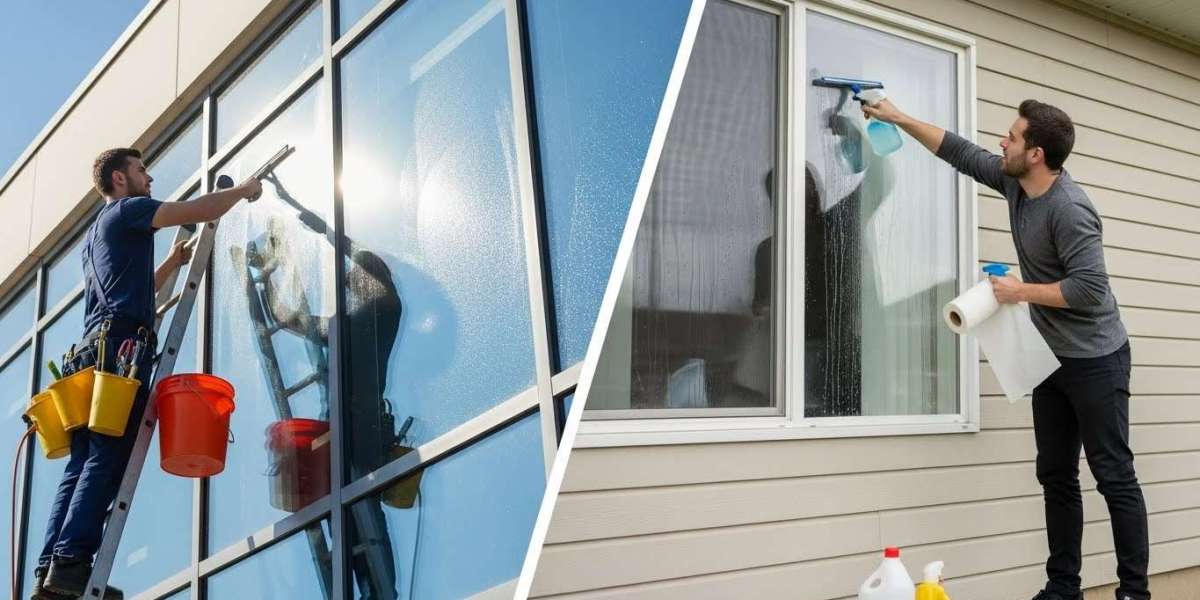

Windows are a central feature of any home or business, letting natural light illuminate interior spaces, improving ventilation, and enhancing overall aesthetics. Over time, however, windows collect dirt, dust, water spots, fingerprints, and environmental grime, which can diminish both their appearance and performance. Regular window cleaning is essential not only for maintaining curb appeal but also for protecting glass surfaces and extending their lifespan.
This creates a common dilemma for property owners: should you hire a professional window cleaning service or attempt a DIY approach? In this article, we will explore the pros and cons of professional versus home window cleaning, comparing cost, efficiency, safety, and long-term benefits. By the end, you’ll have a clear understanding of which method is best suited to your home or business, helping you make an informed and confident decision.
Why Window Cleaning Matters
Clean windows are far more than a cosmetic feature; they provide practical and health benefits as well. Regular window cleaning can:
Maximize natural light: Spotless glass allows more sunlight indoors, reducing reliance on artificial lighting and brightening living or working spaces.
Enhance appearance: Well-maintained windows create a positive first impression for guests, clients, or customers.
Extend window lifespan: Dirt, hard water deposits, and mineral buildup can permanently damage glass or frames. Regular cleaning prevents etching, corrosion, and frame deterioration.
Promote a healthier environment: Dust, mold, and allergens accumulate in window tracks. Proper cleaning reduces these risks and improves indoor air quality.
Whether you clean your windows yourself or hire professionals, maintaining streak-free, clear windows significantly impacts your property’s comfort, value, and aesthetic appeal.
Understanding Professional Window Cleaning
Professional window cleaning involves trained specialists using advanced tools, techniques, and cleaning solutions to achieve superior results safely. Key benefits include:
Streak-free cleaning using squeegees, purified water, and specialized solutions
Comprehensive cleaning of frames, tracks, and sills
Safe access to high or difficult-to-reach windows
Eco-friendly options using biodegradable, non-toxic products
Professional services are especially valuable for larger homes, multi-story buildings, or commercial properties with extensive glass surfaces. The experience and equipment professionals bring usually ensure long-lasting results that are difficult to achieve with DIY methods.
DIY Window Cleaning: What You Need to Know
DIY window cleaning appeals to many because it is cost-effective and allows flexibility in timing. Most homeowners clean windows using:
Microfiber cloths or sponges
Spray bottles with commercial or homemade cleaning solutions
Squeegees and towels
Step ladders or extension poles for higher windows
While DIY can work for small, easily accessible windows, it often falls short for larger or more complicated properties. Common issues include streaking, missed dirt in corners, and difficulty reaching multi-story windows safely.
Professional vs Home Window Cleaning: Detailed Comparison
When deciding between professional and DIY window cleaning, several factors come into play:
1. Cost Considerations
DIY Window Cleaning: Low upfront cost for supplies and tools, but hidden costs can include ladders, safety equipment, replacement of scratched glass, or damage from improper techniques.
Professional Window Cleaning: Higher initial cost, but delivers better results, reduces risk, saves time, and protects your investment in the long term.
For many homeowners, the value of professional services outweighs the upfront expense, particularly for high or hard-to-reach windows.
2. Quality and Thoroughness
Professionals are trained to handle:
Stubborn stains, water spots, and hard mineral deposits
Large or multi-story windows
Window frames, tracks, and sills
DIY cleaning is usually limited to visible dirt and smudges. Without proper technique or tools, streaks, spots, and overlooked debris are common, especially on larger or more complex windows.
3. Safety Considerations
Safety is a major concern when it comes to window cleaning:
Professionals use harnesses, scaffolding, and water-fed pole systems to safely clean high windows
They are insured, reducing liability for accidents
DIY cleaning carries risks of falls, injuries, and broken glass, especially on multi-story buildings
For challenging or elevated windows, professional cleaning is the safest option.
4. Time and Convenience
DIY cleaning can take hours, especially for both interior and exterior surfaces in large homes or buildings.
Professionals complete the same work much faster, allowing you to focus on other priorities while ensuring flawless results.
5. Long-Term Benefits
Professional cleaning protects windows from scratches, stains, and permanent damage, extends glass and frame lifespan, and maintains property value.
DIY cleaning is effective for maintenance but may miss deeper issues, allowing environmental buildup to accumulate over time.
When DIY Window Cleaning Works Best
DIY cleaning is suitable for:
Small homes or apartments with few windows
Ground-level or easily accessible windows
Occasional cleaning between professional visits
Budget-conscious homeowners
However, relying solely on DIY for long-term maintenance can lead to overlooked damage or reduced window lifespan.
When Professional Window Cleaning is Worth It
Professional services are highly recommended for:
High-rise or multi-story windows
Large properties or extensive glass surfaces
Windows with hard water stains or persistent dirt
Homes or businesses that prioritize appearance, safety, and efficiency
Commercial properties, offices, or luxury homes often require professionals to maintain a polished, professional look while ensuring safety and quality.
Eco-Friendly Window Cleaning Options
Many professional window cleaners now offer eco-friendly, non-toxic solutions, which are safe for children, pets, and the environment. These options remove tough stains effectively without harsh chemicals, making them a sustainable choice for environmentally-conscious homeowners.
Tips for Effective DIY Window Cleaning
If you choose to clean windows yourself:
Clean on cloudy days to avoid streaks from direct sunlight.
Use a squeegee for even, streak-free drying.
Replace dirty clothes and towels frequently.
Pay attention to window frames and tracks to prevent buildup.
Use purified water to reduce mineral spotting.
Even with these tips, professional intervention is often needed for high, large, or difficult windows.
Creating a Window Cleaning Schedule
A balanced schedule often combines DIY and professional methods:
DIY: Quick interior cleaning every 1–2 months
Professional: Full interior and exterior cleaning 2–3 times per year
This approach ensures consistent maintenance, reduces buildup, and extends window lifespan.
Common Mistakes to Avoid
Using abrasive cleaners or tools that scratch glass
Cleaning in direct sunlight or extreme heat
Neglecting frames and tracks
Ignoring safety measures for ladders
Over-relying on DIY for high or complex windows
Avoiding these mistakes maximizes results and protects your investment.
Conclusion
Deciding between hiring a professional or handling it yourself comes down to your property size, window type, budget, and priorities. When considering professional vs home window cleaning, it’s clear that each approach has its strengths and limitations. For smaller, easily accessible windows, DIY cleaning can maintain basic cleanliness effectively and cost-efficiently.
However, for large homes, multi-story buildings, or commercial properties, professional window cleaning is safer, faster, and delivers superior, streak-free results. Many property owners find that a hybrid approach performing regular DIY touch-ups between professional visits offers the best balance of convenience, cost savings, and long-term benefits.Professional services not only protect your windows but also enhance the overall appearance of your home or business. Take action today by evaluating your property’s cleaning needs and scheduling a trusted professional service, while using DIY cleaning for occasional touch-ups to keep your windows clear, attractive, and well-maintained all year round.
Frequently Asked Questions (FAQs)
Is DIY window cleaning effective?
Yes, for small, low windows, but results may be inconsistent on larger or high-rise windows.How often should professionals clean my windows?
Residential properties: 2–3 times per year; commercial properties: monthly or quarterly depending on visibility and traffic.Can DIY cleaning save money?
Yes, initially, but mistakes or damage may increase long-term costs.Are professional window cleaning services safe?
Absolutely they use proper equipment, harnesses, and are fully insured.Do professionals clean frames and tracks?
Most professional services include tracks, sills, and frames for a thorough clean.Is eco-friendly window cleaning effective?
Yes, non-toxic solutions remove dirt and stains effectively without harming the environment.Can DIY cleaning damage windows?
Using harsh chemicals, abrasive tools, or improper techniques can scratch glass or damage seals.How long does professional cleaning take?
Small homes: 1–3 hours; large properties or commercial buildings: several hours, depending on complexity.Should I combine DIY and professional cleaning?
Yes. Quick DIY maintenance between professional visits ensures windows stay clean and damage-free.
10. What is the main advantage of professional window cleaning?
Safety, efficiency, streak-free results, and long-term protection of windows.