
Unleash Your Inner Pilot: Discover the Ultimate Kit for Crafting Your Dream RC Airplane!
In recent years, the world of RC (radio-controlled) airplanes has soared in popularity, captivating hobbyists and aviation enthusiasts alike. The thrill of building and flying your own model aircraft is an experience like no other, offering a unique blend of creativity, engineering, and outdoor fun. Whether you're a seasoned flyer or a curious newcomer, RC airplane kits provide an exciting opportunity to dive into the world of aerodynamics. In this article, we will explore the various types of kits available, essential factors to consider when choosing your ideal model, and tips for a successful build. Get ready to embark on a journey that will unleash your inner pilot!
Understanding RC Airplane Kits
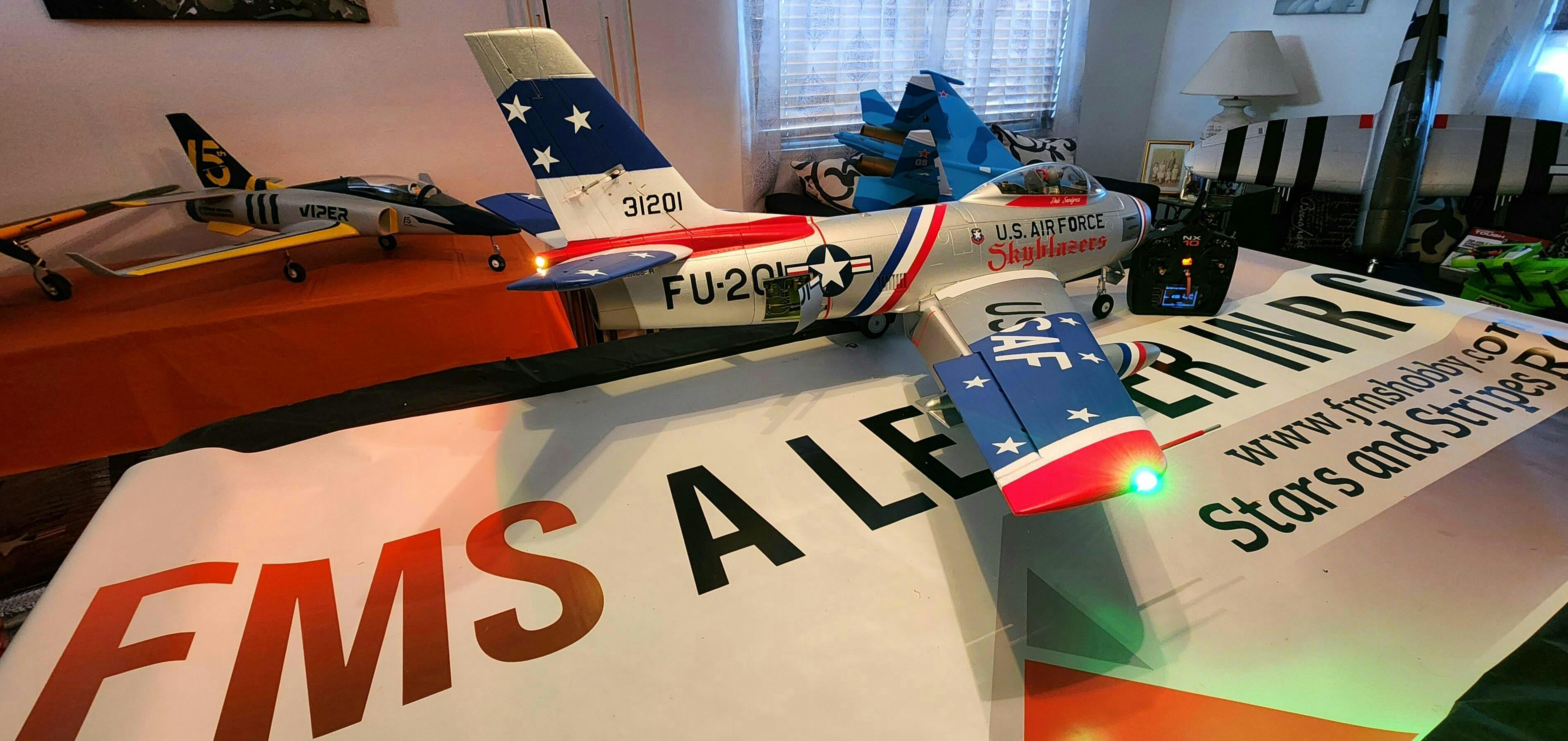
RC airplane kits come in various forms, catering to different levels of expertise and preferences. The most common types are ARF (Almost Ready to Fly), RTF (Ready to Fly), and kit-built models. ARF kits require only minor assembly, such as attaching wings and tail sections, making them ideal for those who want to get to the flying part quickly. RTF kits come almost complete, including pre-installed electronics, perfect for beginners who may lack the skills or time for extensive assembly. On the other hand, kit-built models offer the most hands-on experience, requiring builders to assemble every component from scratch, which can be immensely rewarding. Regardless of the type, each kit generally includes essential components like airframes, motors, servos, and control surfaces. The assembly skills required vary significantly among these kits, so it's crucial to assess your experience level before making a decision.
Factors to Consider When Choosing a Kit
Choosing the right RC airplane kit is crucial for a fulfilling experience. Several factors come into play, starting with your skill level. If you’re a beginner, opting for a simpler RTF or ARF kit might be the best choice. Design complexity is another aspect; some models boast intricate designs that may be intimidating for novice builders. Additionally, consider the size of the airplane. Larger models can be more impressive in the air but might require more space to fly and store. Think about your intended use as well—are you looking for a leisurely flying experience in your local park, or do you aim to participate in competitions? Matching the kit to your experience and goals will ensure a more enjoyable process. A friend of mine, who started with an RTF kit, quickly moved on to more complex models as his confidence grew, highlighting the importance of starting at the right level.
Essential Tools and Materials for Building
Building an RC airplane kit requires a few essential tools and materials to ensure a smooth assembly process. First and foremost, a good quality adhesive is vital for securing parts together—epoxy and CA glue are popular choices among builders. You'll also need cutting tools like a hobby knife or scissors for trimming components to size. A ruler and a straight edge will help ensure precision when measuring and cutting. Additional tools such as pliers, a screwdriver set, and a heat gun for shrink-wrap materials can enhance your building experience. Don't forget about safety equipment, such as safety glasses, to protect your eyes while working. Investing in a sturdy building board can also provide a dedicated workspace that keeps your project organized. A friend once shared how having the right tools made a significant difference in his building experience, allowing him to focus on creativity rather than frustration.
Tips for a Successful Build
Assembling your RC airplane kit can be both exciting and challenging, so it’s important to approach it with patience and diligence. Start by carefully reading the instructions provided with your kit—skipping steps can lead to mistakes that are difficult to fix later. Take your time with each stage of the assembly, ensuring that all parts are aligned correctly before securing them. It's also helpful to create a checklist of steps to follow as you progress through the build. Working in a quiet, distraction-free environment can enhance your focus and attention to detail, which is crucial for achieving a successful outcome. When I built my first model, I learned the hard way that rushing through the process led to misalignments, which required tedious corrections. Remember, the joy of building is in the journey, not just the destination!
Getting Started with Flying
Once you’ve successfully built your RC airplane, it’s time to take to the skies! Flying can be a daunting experience for beginners, so start in a wide-open space away from obstacles. Familiarize yourself with the controls before taking off; understanding how to maneuver your aircraft will make the process smoother. Many hobbyists recommend practicing gentle movements to get a feel for how your plane responds to inputs. Additionally, consider joining a local RC flying club, where you can find mentors and fellow enthusiasts who can guide you as you build your flying skills. The thrill of seeing your creation soar through the air is unlike any other, and each flight brings a sense of accomplishment and joy, especially after all the hard work you put into building it.
Summary of Key Takeaways
Building and flying your own RC airplane is an incredibly rewarding hobby that combines creativity, technical skills, and the joy of flight. As you explore different kits and embark on your building journey, remember that patience and practice are key. Embrace the challenges and celebrate the successes, as each experience will contribute to your growth as a hobbyist. The RC flying community is vibrant and welcoming, offering opportunities to share your passion with others and learn from their experiences. So gear up, choose your kit wisely, and take to the skies—your adventure as a pilot awaits!