

Unlock the Secrets to Choosing the Perfect Kitchen Hood!
Having a kitchen hood is essential for maintaining a clean and efficient cooking environment. It plays a crucial role in removing smoke, steam, and odors generated during cooking, ensuring that your kitchen remains a pleasant space. With various types of kitchen hoods available on the market—ranging from wall-mounted to island models—choosing the right one can feel overwhelming. Whether you’re a seasoned chef or an occasional cook, understanding the importance of a kitchen hood can help enhance your culinary experience. In this article, we will explore the different types of kitchen hoods, their functions, and the key considerations to keep in mind before making a purchase.
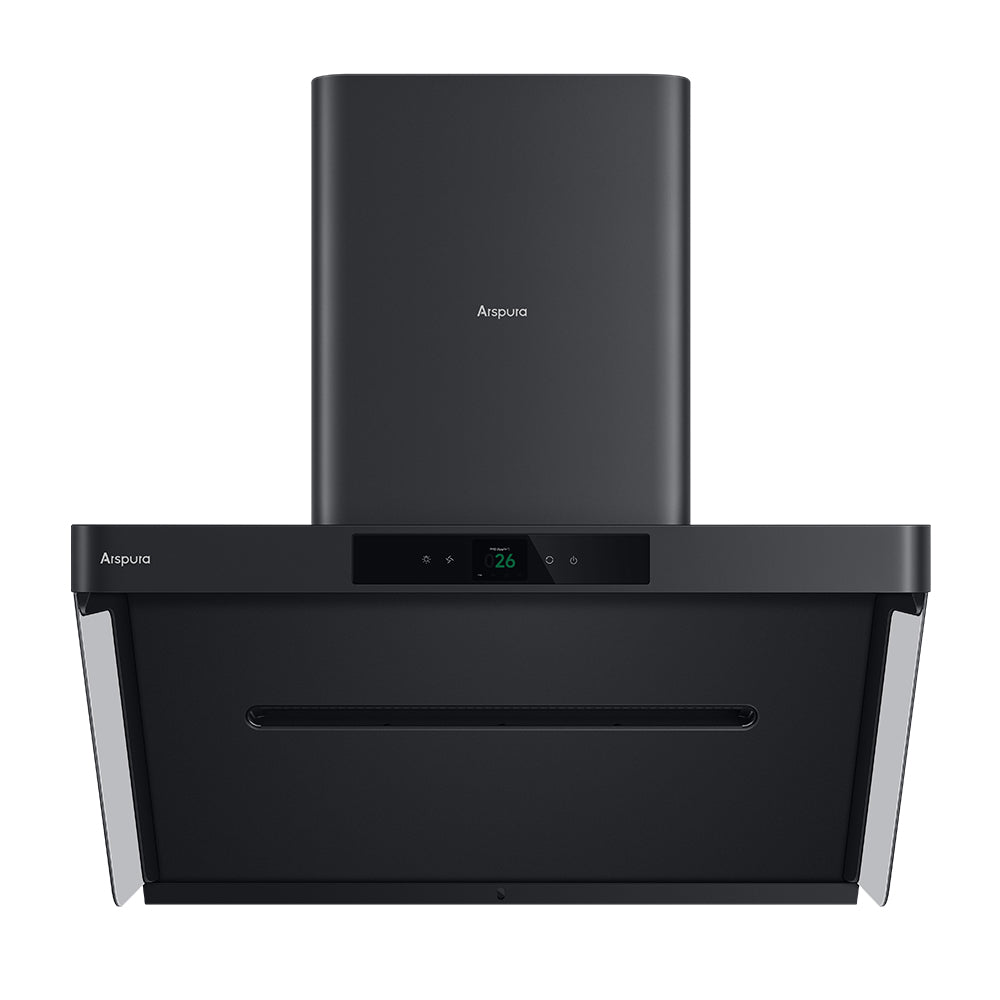
Understanding Kitchen Hoods
Kitchen hoods, commonly referred to as range hoods, are ventilation systems installed above cooking surfaces to expel smoke, grease, and odors from the kitchen. They come in two primary forms: ducted and ductless. Ducted hoods vent air outside the home, providing the most effective odor and smoke removal. In contrast, ductless hoods filter the air through charcoal filters and recirculate it back into the kitchen, making them suitable for apartments or spaces where external venting is not feasible. Understanding the distinction between these two types is vital in determining which option best suits your cooking habits and kitchen layout. A well-chosen kitchen hood can significantly improve air quality and create a more enjoyable cooking environment.
Key Factors to Consider When Choosing a Kitchen Hood
When selecting a kitchen hood, there are several critical factors to consider to ensure you make an informed decision. Firstly, size matters; the hood should be large enough to cover the cooking area, typically extending at least 3 inches beyond the edges of the stove. Next, consider airflow capacity, measured in cubic feet per minute (CFM). This rating indicates how much air the hood can move; ideally, it should match your cooking habits and kitchen size. Noise levels are another important aspect; some hoods operate quietly while others may be quite loud, which can be distracting in a home environment. Lastly, installation requirements can vary; some hoods may require professional installation, while others are easier to mount yourself. By carefully evaluating these factors, you can find a kitchen hood that meets your needs while enhancing your kitchen's functionality.
Size and Fit
To ensure your kitchen hood fits perfectly over your stove, measuring your cooking area accurately is essential. Start by measuring the width of your stovetop and then choose a hood that is at least 3 inches wider on either side. This will help capture all the smoke and odors effectively. Additionally, consider the height at which the hood will be installed, usually between 24 to 30 inches above the cooking surface, depending on the type of stove you have. Taking these measurements allows you to select a hood that not only performs well but also looks visually appealing in your kitchen.
Airflow Capacity
Determining the right airflow capacity (CFM) for your kitchen hood is crucial. A general rule of thumb is to have 300 CFM for every linear foot of cooking surface. However, if you often cook with high heat or use multiple burners simultaneously, you might need a hood with higher CFM. Assess your cooking habits and kitchen size to find the perfect balance between efficiency and noise level. A hood with adjustable speed settings can also offer the flexibility needed for different cooking scenarios.
Style and Aesthetics
Kitchen hoods come in various styles, including wall-mounted, island, and under-cabinet options. Choosing a style that complements your kitchen's design is essential for achieving a cohesive look. Wall-mounted hoods are great for traditional kitchen layouts, while island hoods are ideal for open-concept spaces. Under-cabinet hoods can save space and offer a sleek appearance. Think about the overall aesthetic you wish to achieve and select a hood that aligns with your vision while providing the necessary functionality.
Comparing Prices and Models
When it comes to comparing kitchen hoods, it’s essential to focus on features and performance rather than getting caught up in brand names or specific prices. Start by listing out your must-have features, such as ducted or ductless options, noise levels, and aesthetic preferences. Once you have a clear idea of what you need, research different models that fit your criteria. Read reviews, watch video demonstrations, and consult friends or family who have experience with various hoods. This will give you a better understanding of their performance and reliability. Also, consider the warranty and customer service offered, as these can be indicative of the manufacturer's confidence in their product. By approaching your comparison with a focus on functionality and user experience, you'll be better equipped to make a wise investment.
Final Thoughts on Selecting Your Kitchen Hood
Choosing the right kitchen hood is a significant decision that can enhance your cooking experience and improve your kitchen's air quality. By understanding the various types of kitchen hoods, evaluating key factors such as size, airflow capacity, and style, and effectively comparing models and prices, you can make an informed choice. Remember, it’s essential to take your time during the selection process, ensuring that you find a kitchen hood that meets your needs and complements your home. A well-selected kitchen hood not only serves a functional purpose but can also add a touch of elegance to your kitchen space.