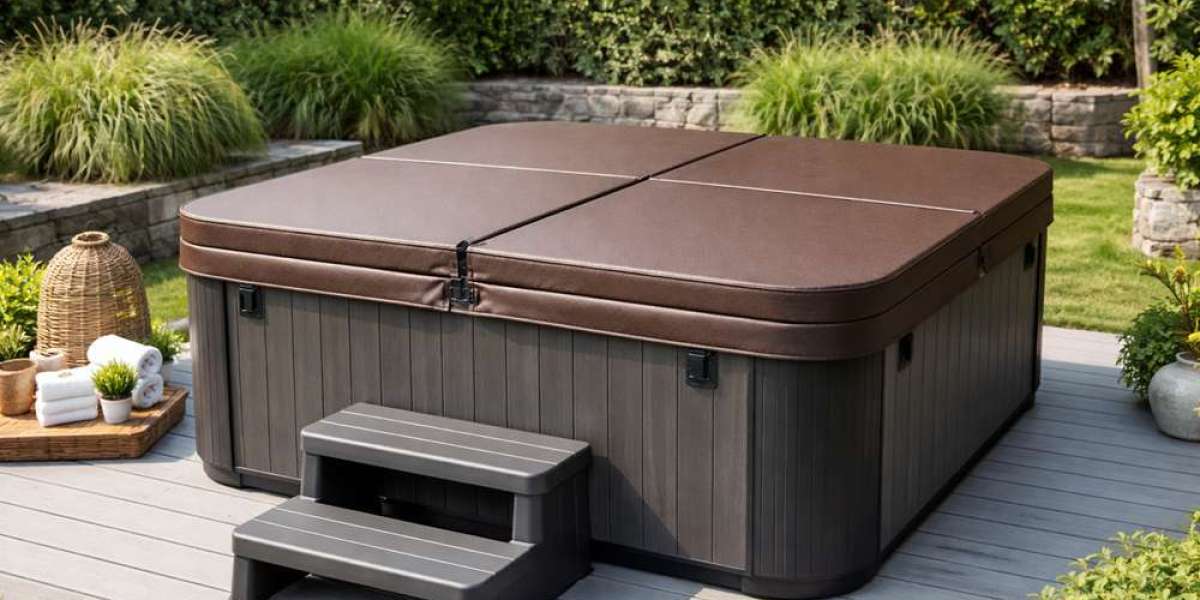

A hot tub is a wonderful investment in relaxation and wellness. However, maintaining the right water temperature—especially during colder months—can increase energy costs. That’s where a thermal spa blanket comes in. Designed to float directly on the water’s surface, a thermal spa blanket helps retain heat, reduce evaporation, and improve overall efficiency. But with so many options available, how do you choose the right one? Here’s what you need to know before making your purchase.
Understand What a Thermal Spa Blanket Does
Before selecting a blanket, it’s important to understand its purpose. A thermal spa blanket acts as an insulating layer between the water and the air. By minimizing evaporation, it significantly reduces heat loss. Since evaporation is the primary cause of energy loss in hot tubs, a good thermal blanket can lower heating costs and help maintain consistent water temperature.
Unlike the standard hard cover that sits on top of your hot tub, a thermal blanket floats on the water beneath the main cover. When used together, they create a powerful barrier against heat escape.
Choose the Right Thickness
One of the most important factors to consider is thickness. Thermal spa blankets typically range from 8mm to 16mm thick. Thicker blankets generally provide better insulation and durability.
If you live in a colder climate or use your hot tub year-round, opting for a thicker blanket is a smart investment. It offers superior heat retention and lasts longer. However, if your area has milder weather, a mid-range thickness may be sufficient while still providing noticeable energy savings.
Measure Your Hot Tub Accurately
Proper sizing is crucial. A blanket that is too small won’t cover the entire surface, reducing its effectiveness. One that is too large may bunch up and become inconvenient to handle.
Measure the length and width of your hot tub carefully. Many thermal blankets can be trimmed to fit, which makes them versatile for uniquely shaped tubs. If your hot tub has rounded corners, ensure you account for that when cutting the blanket to size.
Look at Material Quality
Most thermal spa blankets are made from closed-cell foam or bubble-style polyethylene material. High-quality materials resist chemical damage from chlorine or bromine and withstand prolonged exposure to heat.
Look for UV-resistant coatings if your hot tub receives direct sunlight. This feature helps prevent deterioration and extends the blanket’s lifespan. Investing in a durable material upfront can save you from frequent replacements.
Consider Ease of Handling and Maintenance
A thermal spa blanket should be lightweight and easy to remove when you want to use the hot tub. Some thicker options may provide better insulation but can be slightly heavier. Balance insulation benefits with convenience.
Maintenance is also simple but important. Rinse the blanket occasionally and allow it to dry fully to prevent mildew buildup. Regular cleaning helps maintain performance and hygiene.
Think About Energy Savings and Long-Term Value
While thermal spa blankets are relatively affordable, prices vary depending on thickness and quality. Instead of focusing solely on the upfront cost, consider the long-term savings on your electricity bill. A high-quality blanket can quickly pay for itself through reduced heating expenses.
Additionally, by minimizing evaporation, the blanket helps conserve water and reduce chemical usage—saving even more money over time.
Final Thoughts
Choosing the right thermal spa blanket doesn’t have to be complicated. Focus on thickness, size, material quality, and ease of maintenance. A well-chosen blanket will improve energy efficiency, extend the life of your hot tub components, and enhance your overall spa experience.
With the right thermal spa blanket in place, you can enjoy warm, relaxing soaks while keeping operating costs under control.