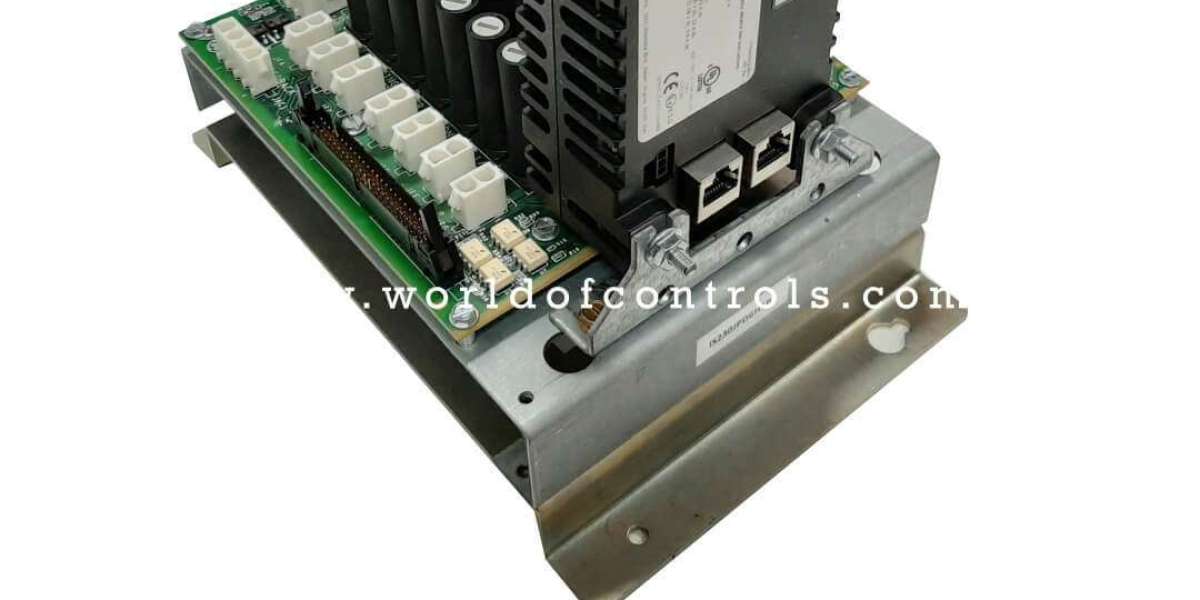

Power failures in industrial control systems can lead to catastrophic downtime, especially in high-stakes environments like gas turbines and power generation plants. GE's IS230JPDGH2A Power Distribution Board acts as a critical safeguard, distributing clean and stable power while protecting downstream electronics from faults and transients.
Understanding Power Failures
Power failures often stem from voltage sags, surges, or phase imbalances in control power supplies, triggered by upstream breaker trips, motor starts, or grid instability. In turbine systems, these events can corrupt logic processors, trip relays prematurely, or damage I/O modules, resulting in millions in lost production. Without robust distribution, even minor glitches cascade into full outages.
IS230JPDGH2A in GE Architecture
The IS230JPDGH2A fits seamlessly into GE Mark VIe and VII control racks, positioned between AC/DC input modules and load circuits like processors and contactors. It manages multiple voltage rails—typically 125VDC, 24VDC, and auxiliary supplies—feeding turbine governors, excitation systems, and protection relays. This central role ensures balanced power delivery across the IONet backplane.
Core Design Features
Equipped with resettable fuses, circuit breakers, and EMI filters, the board isolates faults per channel to prevent widespread blackouts. Redundant power paths with diode OR-ing allow seamless failover, while diagnostic relays signal undervoltage or overcurrent conditions. High-reliability components, including conformal-coated PCBs, withstand vibration, heat, and humidity in NEMA enclosures.
Failure Prevention Mechanism
When a downstream short occurs, the IS230JPDGH2A's electronic fuses trip in milliseconds, segmenting the fault and preserving healthy rails—unlike bulk fuses that blackout entire systems. Surge protection diverts transients above 150V, clamping them to safe levels via TVS diodes. For example, during a lightning-induced spike on the 125V bus, it absorbs energy, resets automatically, and logs the event for analysis, minimizing operator intervention.
Reliability and Uptime Gains
Deploying this board reduces power-related trips by over 40%, extending MTBF for control systems in continuous operation. Maintenance teams appreciate plug-and-play redundancy, cutting repair times from hours to minutes. In compliance-heavy sectors, it meets IEEE 1050 standards for power quality, enhancing safety and audit readiness.
Installation Best Practices
Mount in a dedicated rack slot with forced-air cooling, routing heavy-gauge feeders through strain reliefs. Balance loads across phases and verify ground bonds below 1 ohm for fault clearing. During commissioning, load-test each rail sequentially and configure HMI alarms for proactive monitoring.
Diagnostics and Troubleshooting
Front-panel LEDs flag per-rail status, with dry contacts interfacing to DCS for remote alerts. Common issues like dim indicators point to loose crimps or degraded capacitors—test with a clamp meter under no-load. ToolboxST software pulls event logs, distinguishing board faults from upstream supply problems.
Upgrading Legacy Systems
Compared to older IS230JPDxG1 variants, the H2A revision offers 25% higher current capacity and better thermal margins, ideal for retrofitting Mark V panels. Verify compatibility via GE's SPEEDICS database before swap; full system power-down isn't required with paralleled inputs.
Long-Term Value
The IS230JPDGH2A - Power Distribution Board transforms fragile power chains into resilient networks, preventing failures before they escalate. For industrial operators, it's an essential upgrade for uptime-critical applications. Partner with certified distributors to ensure genuine parts and support.
Check Also - IS210TRESH2A - Small Steam Turbine Emergency Trip Terminal Board