

Unlock the Perfect Time Clock Solution for Your Small Business Today!
Time tracking is a crucial aspect of running a successful small business. It may seem like a mundane task, yet it holds the power to transform how you manage your workforce, payroll, and overall productivity. For many small business owners, the challenge lies in selecting the right time clock solution that meets their unique needs. An effective time clock system not only streamlines the payroll process but also enhances employee accountability and fosters a culture of punctuality. By investing in an appropriate time clock solution, small businesses can improve their operational efficiency, reduce errors in payroll, and ultimately, increase profitability.
Understanding Your Small Business Needs
Before diving into the plethora of time clock solutions available, it’s essential to understand your small business's specific requirements. This involves considering several factors such as the number of employees, the industry you operate in, and your operational hours. For instance, a retail business with fluctuating hours and a diverse staff might require a more flexible time tracking system than a small office with set hours and a stable team. Additionally, industries with unique regulations may need specialized features to comply with labor laws. By identifying these core needs, small business owners can narrow down their choices and find a time clock solution that aligns with their operations.
The Different Types of Time Clock Solutions
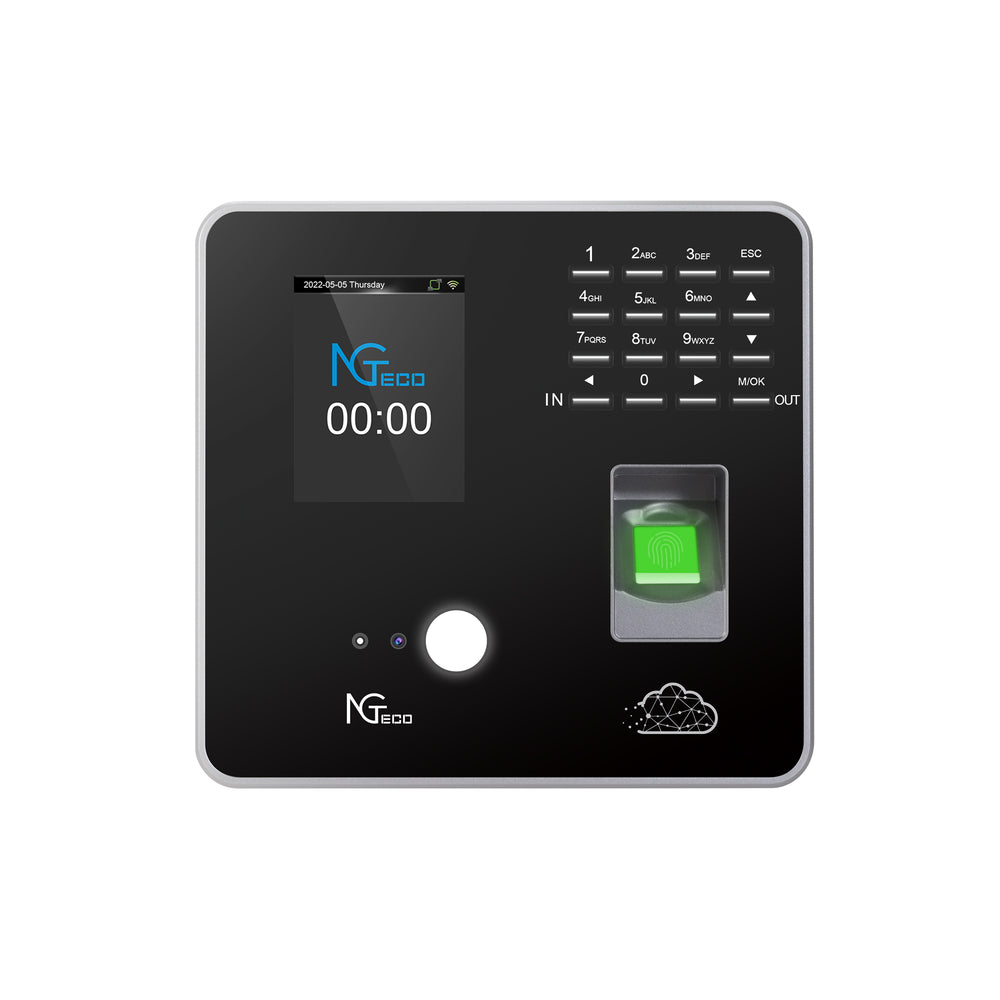
The landscape of time clock solutions is vast, and each type comes with its own set of advantages and disadvantages. Traditional punch clocks are reliable and straightforward but may lack the advanced features that modern businesses require. On the other hand, digital time clocks offer enhanced capabilities like tracking hours in real time and integrating with payroll software, which can save time and reduce errors. Mobile apps represent another innovative solution, allowing employees to clock in and out from their smartphones, ideal for businesses with remote or field workers. However, they may require a robust internet connection and raise concerns about security and privacy. Understanding these options can help small business owners make educated decisions that fit their operational style.
Key Features to Look For
When searching for a time clock solution, it's critical to consider essential features that will benefit your business. Ease of use is paramount; the system should be intuitive for both managers and employees to minimize confusion and maximize efficiency. Integration with payroll systems can significantly simplify the payroll process, ensuring that hours are accurately translated into paychecks. Reporting capabilities are another must-have, providing valuable insights into labor costs and employee performance. Additionally, employee self-service options can empower staff to manage their own time records, reducing administrative overhead for business owners. By focusing on these features, small businesses can enhance their time tracking processes and streamline operations.
Budgeting for Your Time Clock Solution
Budget is always a critical consideration when selecting any business solution, including time clocks. It’s important to assess how much you are willing to invest while ensuring that you don’t compromise on essential features. The cheapest option might seem appealing, but it could lead to higher costs in the long run due to inefficiencies or lack of necessary functionalities. Small business owners should aim to strike a balance between affordability and value, ensuring that the selected time clock solution not only fits their current budget but also supports future growth and scalability.
Implementation and Training
Once you’ve chosen a time clock solution, the next step is successful implementation. This includes configuring the system to meet your business's specific needs and training your employees on how to use it effectively. A smooth transition is vital; it minimizes disruption and helps maintain productivity during the changeover. Consider scheduling training sessions that cater to different learning styles, whether through hands-on demonstrations or instructional materials. Additionally, having a troubleshooting plan in place can help address any issues that arise during the initial rollout. By prioritizing implementation and training, small business owners can ensure a seamless integration that maximizes the benefits of their new time clock solution.
Making an Informed Choice
In conclusion, selecting the right time clock solution for your small business is a decision that requires careful consideration of various factors, including your unique needs, the types of solutions available, and essential features. By understanding these elements and being mindful of your budget, you can make an informed choice that enhances productivity and promotes accountability among your employees. Take the time to assess your specific requirements and embark on the journey to find a time clock solution that not only fits your operational needs but also supports your business's growth and success in the long run.