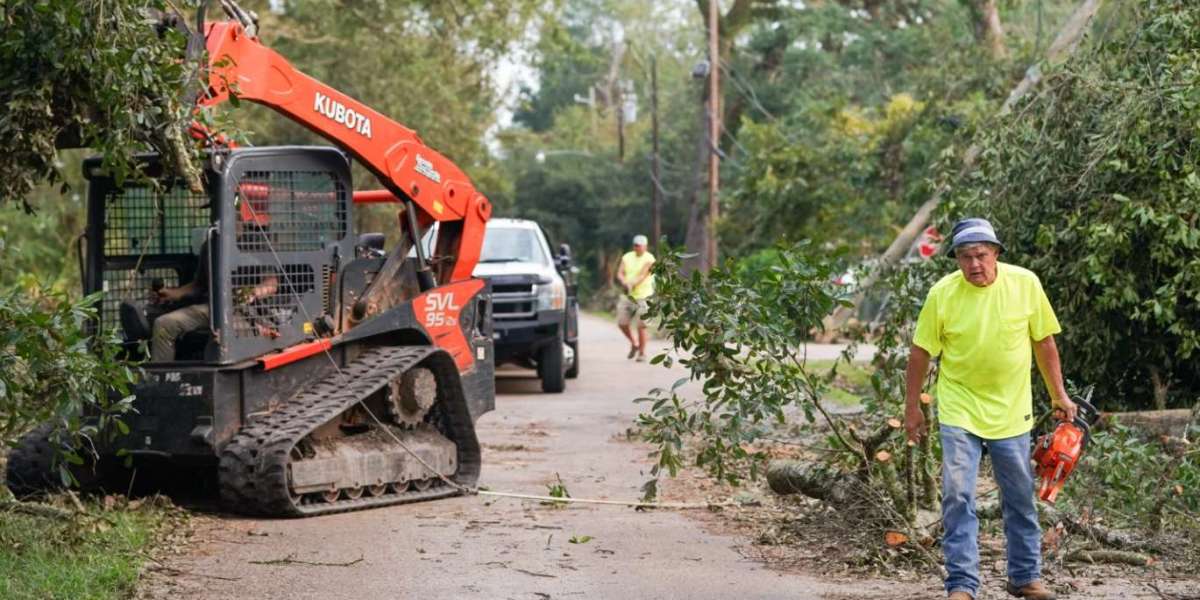

Flooding can turn your life upside down within minutes. Whether caused by heavy rainfall, burst pipes, storm surges, or overflowing rivers, water intrusion can severely damage your home’s structure and belongings. The first step in effective water damage repair is understanding how quickly water spreads and how destructive it can be. Within hours, water seeps into flooring, drywall, insulation, and furniture. Wood begins to swell, paint starts to blister, and carpets become saturated. If left untreated, moisture creates the perfect environment for mold growth, which can begin within 24 to 48 hours.
Beyond visible damage, hidden moisture behind walls and under floors can compromise your home’s foundation. Electrical systems may be affected, increasing the risk of fire or shock hazards. Recognizing the seriousness of flooding helps homeowners act quickly and prioritize immediate action. The faster you respond, the greater the chances of minimizing long-term structural issues and expensive restoration costs.
Prioritizing Safety Before Starting Water Damage Repair
Before jumping into cleanup efforts, safety must come first. Floodwater can contain contaminants such as sewage, chemicals, and debris. Always turn off electricity and gas supplies before entering affected areas. Wearing protective gear like gloves, boots, and masks is essential when dealing with contaminated water.
If the flooding is severe or involves structural damage, consult professionals before attempting repairs. Structural instability can make floors and ceilings unsafe. Standing water may hide sharp objects or weaken support beams. Ensuring your home is safe to enter prevents injuries and allows you to focus on proper water damage repair without additional risks.
Once safety measures are in place, document all damage for insurance purposes. Take clear photographs and make detailed notes. This documentation can simplify the claims process and ensure you receive appropriate compensation for restoration work.
Removing Standing Water and Drying the Area
The most urgent step in water damage repair is removing standing water as quickly as possible. Using pumps, wet vacuums, and buckets can help eliminate excess water. The longer water sits, the deeper it penetrates materials, increasing the likelihood of structural weakening and mold growth.
After water removal, thorough drying is critical. Open windows and doors to increase airflow, and use fans and dehumidifiers to reduce moisture levels. Carpets, rugs, and upholstered furniture may need professional cleaning or replacement if heavily saturated. Drywall and insulation often require removal when soaked, as they retain moisture and promote mold development.
Pay special attention to hidden spaces such as crawl areas, basements, and wall cavities. Moisture meters can help detect damp spots that are not immediately visible. Proper drying may take several days, but rushing this stage can lead to long-term problems that are costly and time-consuming to fix.
Preventing Mold Growth After Flooding
Mold is one of the most common consequences of flooding. Once spores settle on damp surfaces, they multiply rapidly. Effective water damage repair includes proactive mold prevention strategies. Cleaning and disinfecting affected surfaces with appropriate antimicrobial solutions can reduce the risk of contamination.
Porous materials such as ceiling tiles, insulation, and certain types of wood may need replacement if mold is present. Mold not only damages your home but can also impact indoor air quality and pose health risks, especially for individuals with allergies or respiratory conditions.
Maintaining low humidity levels during the drying process significantly reduces the likelihood of mold formation. Continuous monitoring ensures that moisture levels remain within safe limits. Addressing mold promptly protects both your property and your family’s well-being.
Repairing Structural Damage and Restoring Interiors
Once your home is completely dry, it’s time to begin structural repairs. This stage of water damage repair may include replacing drywall, repairing flooring, repainting walls, and restoring cabinetry. Hardwood floors may require sanding and refinishing if they have warped. In more severe cases, sections of flooring or subflooring may need replacement.
Electrical wiring and plumbing systems should be inspected by licensed professionals to ensure safety and compliance with building codes. Even minor water exposure can corrode wiring and cause future malfunctions.
Restoring your home’s interior is not just about aesthetics; it is about ensuring long-term stability and safety. Choosing water-resistant materials during renovation can help prevent similar issues in the future. Modern moisture-resistant drywall, waterproof flooring, and improved insulation options offer greater protection against potential flooding.
Working with Professionals for Effective Water Damage Repair
While some homeowners attempt DIY restoration, professional services often provide more comprehensive solutions. Experienced restoration teams use advanced equipment such as industrial-grade dehumidifiers, air movers, and moisture detection tools. Their expertise ensures thorough drying and proper remediation.
Hiring professionals for water damage repair can also speed up the process and reduce stress. They understand insurance procedures and can assist with documentation and communication. Additionally, certified technicians are trained to identify hidden issues that may not be obvious to untrained eyes.
Professional restoration can ultimately save money by preventing secondary damage. Investing in expert assistance ensures your home is restored safely and efficiently, minimizing the risk of recurring problems.
Protecting Your Home from Future Flooding
After completing water damage repair, taking preventive measures is essential. Installing sump pumps, improving drainage systems, and sealing foundation cracks can reduce the risk of future water intrusion. Regular roof inspections and gutter maintenance also play a significant role in preventing leaks and overflow.
Elevating electrical systems and appliances in flood-prone areas adds an extra layer of protection. Landscaping adjustments, such as grading soil away from your foundation, help direct rainwater away from your home. These proactive strategies provide peace of mind and safeguard your investment.
Flood preparedness also includes creating an emergency plan and keeping essential supplies readily available. Being prepared enables faster response times and reduces the overall impact of potential water damage events.
The Emotional and Financial Recovery After Flooding
Flooding is not only physically damaging but emotionally overwhelming. Seeing your home affected by water can be distressing. However, understanding the steps involved in water damage repair empowers homeowners to take control of the situation.
Financial recovery often involves working closely with insurance providers and restoration professionals. Staying organized, maintaining records, and following a clear repair plan can streamline the recovery process.
With patience and proper action, your home can be restored to its original condition or even improved with modern upgrades. Every step taken toward effective water damage repair strengthens your home’s resilience and ensures long-term safety. Flood recovery may be challenging, but with the right knowledge and preparation, homeowners can successfully navigate the process and rebuild with confidence.