
Art has always been a reflection of its time. It tells stories preserves culture and captures the emotions of generations. Yet some of the most compelling works do more than simply represent history they physically incorporate it. Historical mixed media art is one such powerful form of expression combining archival elements layered materials and contemporary techniques to create artwork that bridges eras in a visually striking way.
In today’s design landscape where originality and narrative depth are highly valued historical mixed media art stands out as both meaningful and sophisticated. It transforms fragments of the past into dynamic large-scale compositions that elevate modern interiors while honoring heritage.
What Is Historical Mixed Media Art?
At its core historical mixed media art integrates materials connected to history such as vintage paper antique documents aged photographs stamps maps manuscripts or archival prints into contemporary artistic compositions.
Unlike traditional paintings that rely solely on paint and canvas this genre embraces a layered approach. Artists combine:
Collage techniques
Textured mediums
Hand-painted elements
Archival materials
Metallic accents
Resin or protective finishes
The result is artwork that feels multidimensional and rich with narrative. Each layer carries its own story and together they form a cohesive visual experience that is both tactile and emotionally resonant.
Why History Adds Depth to Contemporary Art
There is something profoundly compelling about seeing authentic fragments of the past embedded within modern design. Historical mixed media art does not merely imitate vintage aesthetics it often incorporates genuine historical elements.
This authenticity creates:
Emotional connection
Cultural significance
Visual intrigue
Intellectual engagement
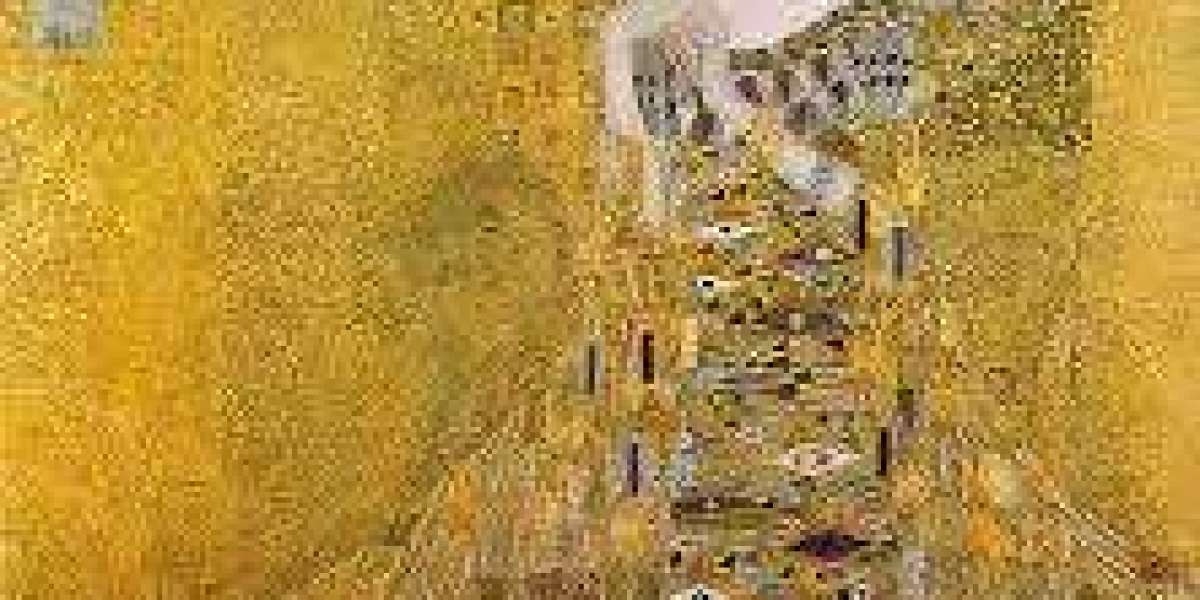
A faded handwritten script layered beneath bold brushstrokes suggests the passage of time. An old map fragment integrated into an abstract composition hints at exploration and migration. Vintage stamps documents or ephemera add texture not just physically but symbolically.
For collectors and interior designers this depth offers more than decoration. It offers meaning.
The Art of Layering and Texture
One of the defining characteristics of historical mixed media art is its rich surface texture. Unlike flat prints these artworks are built in stages. Artists apply materials allow them to dry sand them back and layer again.
This process creates:
Dimensional depth
Organic imperfections
Visual movement
Subtle shadow play
The layering mirrors history itself one era built upon another. Some sections may appear distressed or weathered while others feel vibrant and modern. The interplay between old and new creates a dynamic tension that keeps the viewer engaged.
When displayed in well-lit interiors these textures interact beautifully with light revealing details that shift depending on the angle and time of day.
A Perfect Fit for Sophisticated Interiors
In contemporary homes and curated commercial spaces there is a growing desire for art that feels intentional and unique. Historical mixed media art fulfills that need perfectly.
It works seamlessly in:
Modern living rooms
Executive offices
Boutique hospitality spaces
Gallery-inspired interiors
Creative studios
The neutral tones often found in archival materials sepia parchment charcoal faded ink pair elegantly with modern architectural elements like marble concrete glass and wood.
At the same time bold contemporary overlays ensure the artwork feels current rather than nostalgic. This balance allows historical mixed media art to enhance both classic and minimalist spaces.
Storytelling Through Visual Composition
Every piece of historical mixed media art tells a story. Sometimes the narrative is explicit referencing a specific era location or cultural theme. Other times it is abstract and open to interpretation.
Artists may explore themes such as:
Communication and correspondence
Travel and migration
Cultural heritage
Political history
Architectural evolution
Personal memory
The beauty of this art form lies in its interpretive flexibility. Viewers may connect to different elements based on their own experiences. A fragment of vintage script may remind one person of family letters while another sees it as a symbol of lost traditions.
This emotional adaptability makes each artwork deeply personal.
Craftsmanship and Creative Process
Creating historical mixed media art requires both artistic vision and technical precision. Working with archival materials demands care to preserve their integrity while integrating them seamlessly into the composition.
The process often involves:
Sourcing authentic vintage elements
Preparing and stabilizing delicate materials
Designing layered compositions
Applying paint and texture strategically
Sealing and finishing for longevity
Because many of the incorporated materials are one-of-a-kind each finished artwork is inherently unique. No two pieces can ever be replicated exactly.
This exclusivity enhances both artistic value and collector appeal.
The Balance Between Preservation and Innovation
Historical mixed media art walks a delicate line between honoring the past and pushing creative boundaries. The archival elements provide context and authenticity while contemporary techniques ensure the work feels bold and relevant.
This balance makes the genre particularly appealing in today’s art market. Collectors are increasingly drawn to works that feel thoughtful and layered pieces that invite contemplation rather than offering instant surface-level impact.
By combining preservation with innovation historical mixed media art achieves both.
Custom Commissions and Personal Themes
One of the most exciting aspects of historical mixed media art is the potential for customization. Clients can commission works that reflect specific interests locations or time periods.
Custom themes may include:
Family heritage and ancestry
Vintage city maps
Historical documents from a particular era
Cultural or national motifs
Architectural blueprints
This level of personalization transforms the artwork into more than a design element it becomes part of the client’s story.
For interior designers and art consultants commissioned historical mixed media art offers a way to create spaces that feel curated meaningful and truly unique.
Investment and Timeless Appeal
Art that incorporates historical elements often holds enduring appeal. While design trends may shift the fascination with history and storytelling remains constant.
Historical mixed media art offers:
Strong visual presence
Authentic material value
Narrative depth
Long-term relevance
Its layered aesthetic ensures that it does not feel tied to a single trend. Instead it evolves visually over time revealing new details with each viewing.
For collectors seeking pieces that combine artistic innovation with cultural resonance this genre provides a compelling opportunity.
A Statement of Culture and Character
Displaying historical mixed media art signals appreciation for depth creativity and heritage. It reflects a desire for meaningful environments rather than purely decorative ones.
In residential spaces it creates warmth and personality. In corporate settings it communicates thoughtfulness and cultural awareness. In gallery environments it stands as a testament to the power of layered storytelling.
Unlike mass-produced décor these works feel intentional and authentic. They invite conversation curiosity and reflection.
Final Thoughts
Historical mixed media art is a celebration of time texture and transformation. By blending archival materials with contemporary techniques it creates visually captivating works that honor the past while embracing the present.
Through layered surfaces meaningful fragments and bold composition this art form elevates interiors with depth and sophistication. It transforms history into living breathing visual narratives stories preserved not in books but on canvas.
For those seeking art that offers more than aesthetics art that carries memory culture and individuality historical mixed media art provides a powerful and enduring choice.