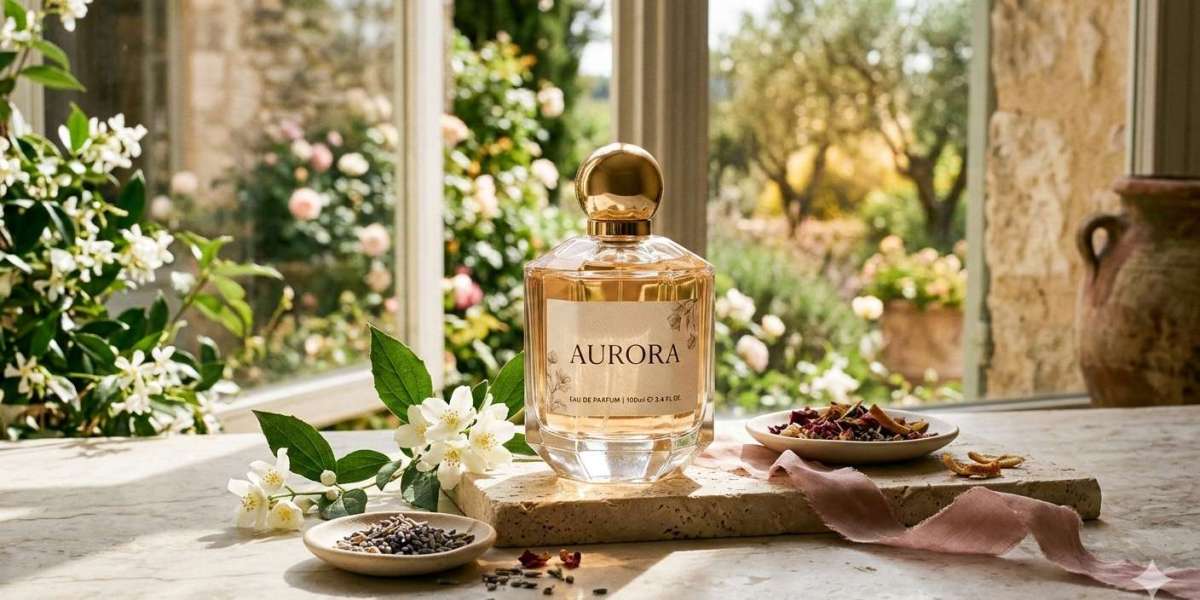

Fragrance: A Complete Guide to Understanding Scents and Perfumes
Fragrance plays an important role in daily life, fashion, and personal grooming. It reflects personality, enhances confidence, and creates lasting impressions. From luxury perfumes to subtle body mists, fragrance is an essential part of modern lifestyle. This detailed guide explores everything about fragrance, including its types, ingredients, benefits, trends, and frequently asked questions.
What is Fragrance
Fragrance refers to a pleasant smell created using natural oils, synthetic compounds, or a combination of both. It is commonly used in perfumes, cosmetics, skincare products, household items, and personal care products. The main purpose of fragrance is to create a pleasant scent experience and improve overall appeal.
Fragrances are carefully crafted by expert perfumers who mix different scent notes to create unique and memorable aromas.
History of Fragrance
The history of fragrance dates back thousands of years. Ancient civilizations like Egypt, Greece, and Rome used scented oils and incense for religious ceremonies, beauty rituals, and special occasions. Natural ingredients such as flowers, herbs, spices, and resins were commonly used.
Over time, perfume-making evolved into a professional industry. In modern times, advanced technology and synthetic ingredients have expanded fragrance creativity, making scents more long-lasting and affordable for everyone.
Types of Fragrance
Fragrances are classified into different categories based on their concentration and scent profile. Understanding these types helps people choose the right product according to their needs.
Eau de Parfum
Eau de Parfum contains a high concentration of fragrance oils, usually between 15% to 20%. It is long-lasting and suitable for daily wear as well as special events. This type of fragrance stays on the skin for several hours and provides strong scent projection.
Eau de Toilette
Eau de Toilette contains around 5% to 15% fragrance concentration. It is lighter than Eau de Parfum and ideal for casual use. Many people prefer it for office wear and daytime activities.
Eau de Cologne
Eau de Cologne has a lower concentration of fragrance oils, typically 2% to 5%. It offers a light and refreshing scent but does not last as long as stronger perfume types.
Perfume Extract
Perfume extract or pure perfume contains the highest concentration of fragrance oils, sometimes above 20%. It is very long-lasting and expensive. A small amount is enough to create a powerful scent impression.
Fragrance Notes Explained
Fragrances are built using different layers called notes. These notes create the overall scent experience.
Top notes are the first smell you notice when applying fragrance. They are fresh and light but fade quickly.
Middle notes, also known as heart notes, appear after the top notes fade. They form the main character of the fragrance and last longer.
Base notes are the final layer and provide depth and longevity. These scents develop slowly and stay on the skin for many hours.
Common ingredients used in fragrance notes include citrus, lavender, rose, vanilla, musk, sandalwood, amber, and spices.
Natural vs Synthetic Fragrance
Fragrances can be made using natural ingredients or synthetic chemicals.
Natural fragrances are extracted from flowers, fruits, herbs, and essential oils. They are often preferred by people who like organic and eco-friendly products. However, they can be expensive and less stable.
Synthetic fragrances are created in laboratories to replicate natural scents or create unique aromas. They offer consistency, affordability, and longer shelf life. Many modern perfumes combine both natural and synthetic elements for better performance.
Benefits of Using Fragrance
Using fragrance offers several benefits beyond smelling good.
It boosts confidence and improves personal presence in social and professional settings. A pleasant scent creates a positive impression on others.
Fragrance can improve mood and reduce stress. Certain scents like lavender and citrus are known for their calming and energizing effects.
It enhances personal style and complements fashion choices. Many people choose perfumes that match their personality and occasion.
Fragrance also strengthens memory connections. A specific scent can remind people of special moments, places, or loved ones.
How to Choose the Right Fragrance
Choosing the right fragrance depends on personal preference, skin type, and occasion.
Test the fragrance on your skin before buying because scents react differently with body chemistry. Always allow the perfume to settle for a few minutes to experience its full notes.
Consider the purpose of use. For daily office wear, light and fresh scents work best. For parties and events, stronger and long-lasting fragrances are ideal.
Check the season as well. Light citrus and floral scents are popular in summer, while warm woody and spicy scents are preferred in winter.
How to Apply Fragrance Properly
Proper application improves performance and longevity.
Apply fragrance on pulse points such as wrists, neck, behind ears, and inner elbows. These areas generate heat and help the scent develop better.
Avoid rubbing the perfume after spraying because it breaks down the fragrance molecules and reduces longevity.
Spray from a small distance to ensure even distribution. Do not overapply; a few sprays are usually enough.
Popular Fragrance Trends
Fragrance trends change every year based on fashion, culture, and customer preferences.
Clean and fresh scents are becoming increasingly popular. Many brands focus on minimalistic and natural-inspired fragrances.
Unisex perfumes are trending as more people prefer gender-neutral scents that suit everyone.
Sustainable and eco-friendly fragrances are also gaining attention. Consumers now prefer brands that use recyclable packaging and ethically sourced ingredients.
Luxury niche perfumes are growing in demand as people look for unique and exclusive scent experiences.
Fragrance in Fashion and Branding
Many fashion brands launch their own signature fragrances to strengthen brand identity. Luxury houses and celebrity brands use perfumes as part of their product line.
Fragrance helps brands create emotional connections with customers. A signature scent becomes part of brand recognition and marketing strategy.
Frequently Asked Questions
What is the difference between perfume and fragrance?
Perfume is a specific type of fragrance with high concentration, while fragrance is a general term that includes all scented products such as perfumes, body sprays, and colognes.
How long does fragrance last on skin?
The longevity depends on concentration, skin type, and environment. Strong perfumes can last 6 to 12 hours, while lighter scents may last 3 to 5 hours.
Can fragrance expire?
Yes, fragrances can expire over time. Most perfumes last 3 to 5 years if stored properly away from sunlight and heat.
Is fragrance safe for sensitive skin?
Some fragrances may cause irritation for sensitive skin. It is recommended to test the product on a small skin area before regular use.
How can I make my fragrance last longer?
Moisturize your skin before applying perfume. Apply on pulse points and store the bottle in a cool, dark place to maintain quality.
Conclusion
Fragrance is more than just a pleasant smell. It represents personality, enhances confidence, and creates lasting memories. With different types, notes, and trends available, everyone can find a scent that matches their style and preference. Understanding fragrance composition, application techniques, and benefits helps you make better choices when selecting perfumes and scented products.
Choosing the right fragrance can transform your daily routine into a refreshing and powerful experience.