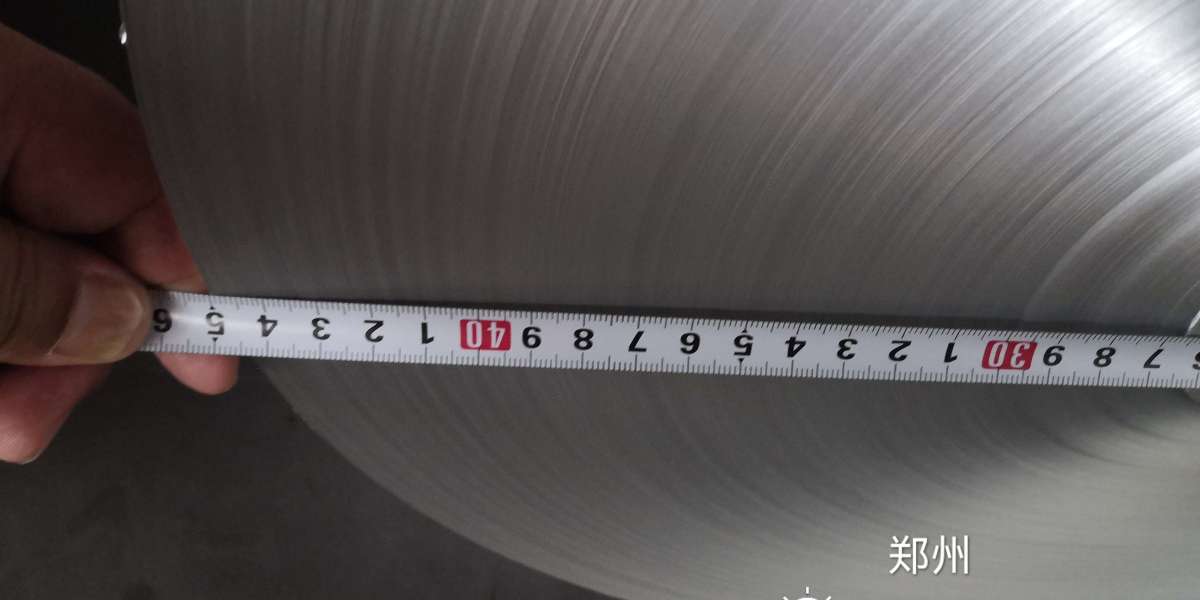

Pharmaceutical foil is a high-barrier aluminum-based packaging material engineered to protect medicinal products from environmental factors that can degrade stability, potency, and shelf life. Widely used in blister packaging, sachets, and strip packs, Pharmaceutical Foil leverages aluminum’s near-impermeability to moisture, oxygen, light, and volatile contaminants. Depending on the application, it is supplied as plain aluminum foil or as a converted structure (such as PVC/Al blister lidding, cold-form foil laminates, or paper/foil constructions) designed to meet specific mechanical, sealing, and regulatory requirements.
One of the most significant advantages of pharmaceutical foil is its superior barrier performance under demanding storage and distribution conditions. Many active pharmaceutical ingredients are sensitive to humidity and oxygen uptake, while others are photoreactive; aluminum foil provides a highly effective barrier that supports long-term product stability. In blister lidding applications, the foil must also deliver consistent seal integrity to the formed blister web, maintaining pack tightness and minimizing leak paths that could compromise protection. For high-sensitivity products, full-aluminum systems such as cold-form foil blisters are selected to maximize barrier properties and reduce transmission to near-zero levels.
In terms of mechanical behavior, pharmaceutical foil is engineered for precise converting performance, including controlled tensile strength, elongation, and tear characteristics that match high-speed blister lines. Lidding foils require robust pinhole control, uniform thickness, and stable surface quality to ensure reliable sealing and clean, consistent push-through performance. For cold-form laminates, the foil must withstand deep drawing without cracking while preserving barrier continuity at corners and radii. Coatings and primers—such as heat-seal lacquers—are applied to enable dependable bonding to PVC, PVDC, PET, PP, or other forming films while maintaining compatibility with the intended process window.
Pharmaceutical foil production is supported by strict quality systems emphasizing traceability, cleanliness, and defect control. Typical quality focus areas include pinhole inspection, coating weight consistency, adhesion and seal-strength validation, and surface condition management to prevent delamination or sealing failures. Given the critical role of packaging in patient safety, pharmaceutical foil is commonly supplied with compliance documentation aligned to applicable pharmacopeial and regulatory expectations, making it a cornerstone material for reliable, high-integrity drug packaging.