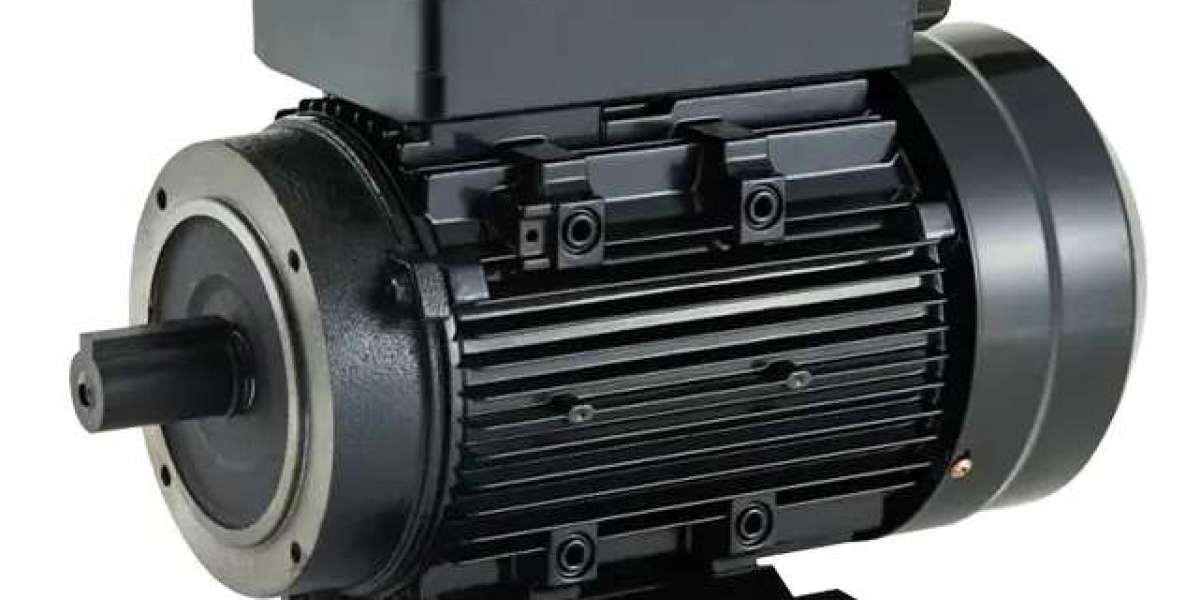

Electric motors support many of the machines used in everyday industrial activities. Whether moving products through conveyor systems, driving fans in ventilation equipment, or operating pumps in water facilities, motors play a fundamental role in production and infrastructure systems. Among available motor technologies, the High Efficiency Induction Motor has become increasingly associated with efforts to improve operational performance and manage electrical consumption.
The operating principle of an induction motor is based on electromagnetic interaction. Electrical current flowing through the stator creates a magnetic field that induces movement in the rotor. This process converts electrical energy into mechanical motion without requiring direct electrical contact with rotating components. The relatively straightforward construction of induction motors has supported their use in a wide range of applications.
Although induction motors have been widely used for many years, engineers continue examining methods to improve their characteristics. A High Efficiency Induction Motor focuses on reducing unnecessary energy losses while supporting stable performance during operation. Multiple design elements contribute to these improvements.
Electrical resistance within winding systems can generate heat during motor operation. Heat itself is a natural result of energy transfer processes, but excessive heat may reduce operating efficiency and affect component conditions over time. Improved winding arrangements and conductive materials can help lower resistance and reduce energy loss.
Magnetic materials also influence performance. The magnetic core inside a motor experiences repeated cycles during operation. Material selection and manufacturing methods can affect how efficiently magnetic energy moves through the system. Small improvements in magnetic characteristics may contribute to broader operational changes.
Mechanical design factors receive attention as well. Bearings support rotating components and influence friction levels within the motor assembly. Accurate alignment and structural precision can reduce mechanical resistance and support smoother rotation. These design considerations may affect operating stability during long production periods.
The High Efficiency Induction Motor is commonly used across numerous sectors. Manufacturing facilities use motors for assembly systems and machine tools. Agricultural equipment employs motors in irrigation systems and processing operations. Commercial buildings use motor-driven ventilation systems and heating equipment. Water treatment facilities depend on motor-powered pumps that often run continuously throughout the day.
Another area connected to motor use is system integration. Modern industrial facilities frequently combine motors with digital monitoring systems and adjustable speed controls. These technologies allow equipment behavior to respond to changing operational requirements. Instead of maintaining constant output regardless of demand, systems can adapt according to actual workload conditions.
As industries continue exploring practical methods for improving productivity and resource management, the High Efficiency Induction Motor remains part of ongoing technological development. Through refinements in materials, design structures, and operating methods, these motors continue supporting a wide variety of industrial activities.