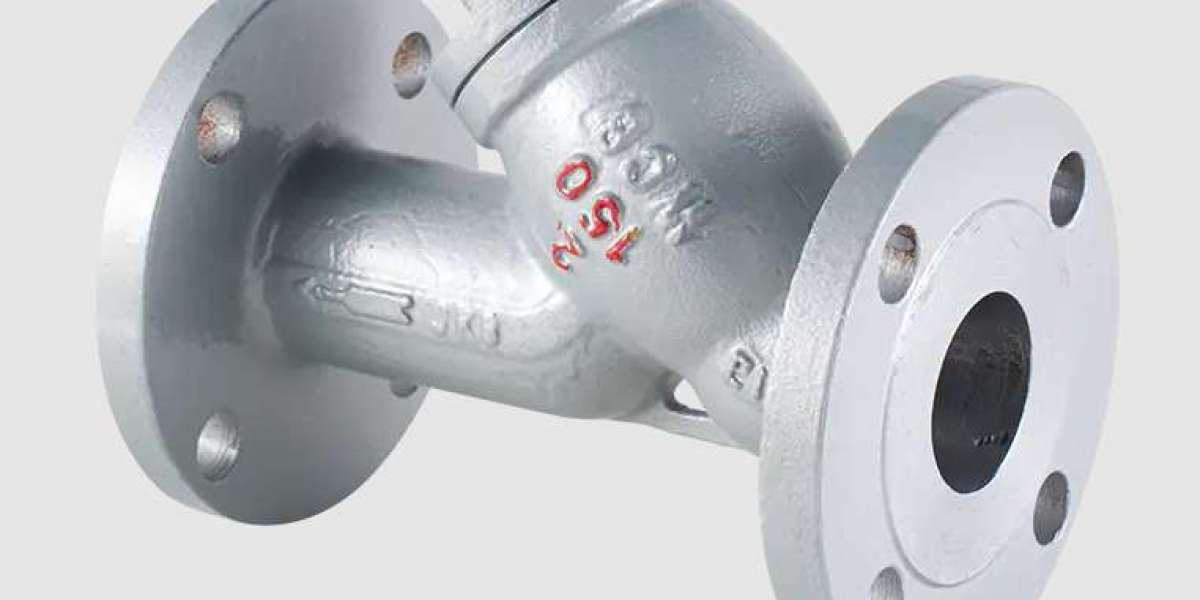

A stainless steel Y-type strainer performs an important filtering function, but maintaining its operation requires regular attention throughout its service life. Like many pipeline components, the performance of the strainer can gradually change as operating conditions and contamination levels vary. Maintenance activities help ensure that the filtration process continues without unnecessary interruption.
As fluid travels through a pipeline, particles accumulate on the screen surface inside the Stainless Steel Y Type Strainer. The rate of accumulation depends on several factors, including fluid cleanliness, process conditions, flow rate, and operating duration. Systems carrying higher concentrations of solid materials may require shorter inspection intervals.
Routine inspections often begin with observing system performance indicators. Pressure changes, reduced flow rates, or equipment behavior downstream may suggest that particles have accumulated within the screen assembly. Some facilities monitor differential pressure across the strainer because pressure variation can provide useful information regarding internal conditions.
Cleaning procedures generally involve isolating the system, reducing pressure, and opening the screen chamber for inspection. Technicians remove accumulated particles and check the condition of the filtering element. Screens may occasionally show signs of wear after extended service periods, particularly in systems carrying abrasive materials.
Inspection activities may also include examination of sealing components. Gaskets and sealing surfaces contribute to leak prevention and operational stability. Replacing worn sealing materials during maintenance periods can support continued system reliability.
Environmental conditions can influence maintenance schedules as well. Outdoor installations may experience temperature variation, moisture exposure, or environmental contaminants that affect surrounding equipment conditions. Indoor facilities may have different maintenance considerations depending on operating procedures.
Documentation also plays a role in maintenance planning. Recording inspection dates, cleaning intervals, and replacement history allows operators to identify trends over time. Historical information can help determine whether maintenance schedules require adjustment.
The Stainless Steel Y Type Strainer itself is designed for durability, but effective operation depends on both product design and maintenance practices. Even a well-constructed component benefits from routine attention. By integrating inspection and cleaning activities into operating procedures, facilities can support more consistent pipeline performance.
In industrial environments where many components interact continuously, smaller devices often contribute to larger system functions. The Stainless Steel Y Type Strainer demonstrates how a compact filtration component can support equipment protection and process continuity through regular care and responsible operation.