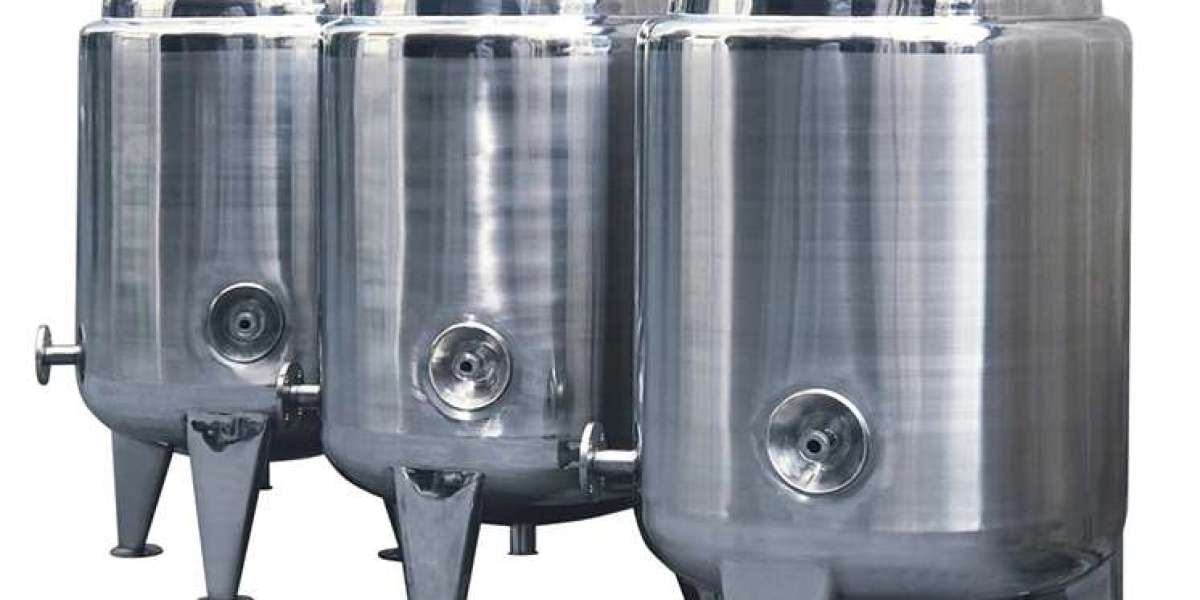

A mixing tank is often used continuously during production activities, making routine operation and maintenance important for maintaining equipment performance. Daily use exposes components to mechanical movement, process materials, temperature changes, and cleaning procedures. Proper care can help support consistent operation over time.
Operators usually inspect the equipment before beginning production activities. Visual checks may include observing external surfaces, connections, and moving components. Small changes such as unusual noise or vibration may indicate conditions requiring attention.
The agitator is one of the primary components within a mixing tank system. During operation, the shaft and blades rotate continuously, creating movement throughout the material. Bearings and seals experience regular mechanical stress and may require periodic inspection. Lubrication schedules can help support component performance.
Cleaning procedures are often performed after processing cycles. Residual material remaining inside the tank may affect future production batches. Water, cleaning agents, or specialized cleaning systems can be used according to process requirements. Facilities handling food or pharmaceutical products may follow detailed sanitation procedures.
Motor performance is also monitored during routine maintenance. Excessive heat generation or unusual sounds can indicate mechanical issues. Electrical connections and control systems may also require inspection to ensure reliable operation.
Process conditions influence maintenance frequency. High-temperature applications or abrasive materials may increase wear on internal components. Viscous products can place additional load on motors and agitators during operation. Understanding these conditions helps create suitable maintenance schedules.
Documentation is often part of equipment management. Maintenance records can help track inspections, repairs, and component replacement activities. Historical information may assist in identifying recurring patterns and planning future maintenance work.
Training also contributes to effective operation. Personnel who understand equipment functions can identify potential issues earlier. Knowledge of operating procedures and safety practices supports daily production activities.
Technology continues to influence equipment management. Some modern systems include sensors that monitor performance conditions and provide operating data. This information can assist maintenance teams in identifying changes before they become larger concerns.
A mixing tank serves many industries and processing environments, making regular maintenance an important part of long-term operation. By combining routine inspection, cleaning activities, and proper equipment management, facilities can support production processes while maintaining reliable equipment performance.